
3 Common Engine Problems and Their Causes
Unless you drive a new car, engine performance and reliability can be a concern. Although some engine problems are bigger than others, the vast majority can be avoided by regularly taking care of maintenance issues. Today, our expert technicians at Christian Brothers Automotive want to share three common engine issues drivers may run into, what causes them, and how you can prevent them in the future.
Engine Problem #1: Engine Won't Start
It’s perhaps one of the most nerve-racking and common engine problems. Nearly every driver has experienced that sinking feeling of turning the key and the engine failing to start as normal. If the engine is clicking but there’s no crank, you can usually conclude it's a battery problem. When there’s a crank but still no start, you are looking at a fuel or ignition problem.
Some other typical reasons engines fail to start include:
- Low or discharged battery
- Corroded or loose battery cables
- Starter motor relay failure
- Ignition switch failure
- Faulty fuel pump
- Clogged or dirty fuel filter
- Neglecting oil and filter changes
- Catalytic converter failure
Old Oil or an Oil Leak May Be to Blame
Your motor oil lubricates the engine, cools parts, and prevents harmful deposit buildup. Over time, even the best oil degrades and fills with sludge that can damage your engine and increase leak risks. Regular oil changes remove contaminants along with the old oil and filter—follow your manufacturer's schedule or change every three months or 3,000 miles.
Consider Your Catalytic Converter
The catalytic converter breaks down dangerous emissions from your engine before they exit the exhaust system. If you notice rattling during acceleration, braking, or loud noises while driving, schedule an exhaust system check immediately. Catalytic converters can fail from rust, corrosion, or carbon buildup, making regular maintenance essential for proper function.
Engine Problem #2: “Service Engine Soon” Light
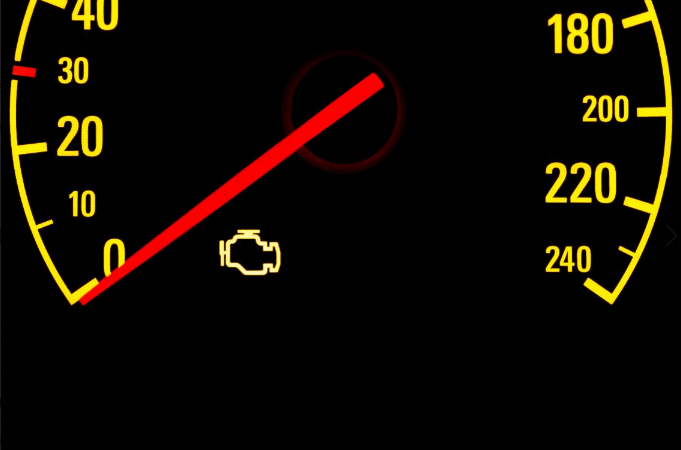
Your vehicle is equipped with a “Service Engine Soon” light to alert you when sensors detect an engine fault in the emission, engine, or powertrain control systems. This warning light is your car's way of communicating that something needs attention before it becomes a more serious and costly problem.
The most common reasons this light activates include:
- Loose or missing gas cap
- Worn-out and damaged spark plugs or wires
- Engine misfire
- Electronic control module failure
- Defective distributor or coil packs
- Emissions control fault, such as the oxygen sensor
- Poor fuel quality
Understanding Diagnostic Trouble Codes
When your “Service Engine Soon” light activates, your vehicle's computer system detects an engine fault and stores a specific diagnostic trouble code. An engine fault occurs when any component or system in your engine operates outside of normal parameters, such as incorrect fuel mixture, timing issues, or sensor malfunctions. These diagnostic codes are like a roadmap that helps our certified technicians pinpoint the exact issue affecting your engine's performance.
Fuel System Issues and Engine Performance
Poor fuel quality and fuel system problems are among the leading causes of engine faults. Regular fuel system maintenance, including fuel filter replacement and fuel injector cleaning, can prevent many engine performance issues and extend your engine's lifespan.
Engine Problem #3: Engine Overheating
While overheating engines are most common during the hot summer months, that doesn’t mean they can’t happen in the winter. Most cars come with a temperature gauge or warning lights to tell the driver if the engine is in danger of overheating. To prevent engine overheating, the best thing you can do is keep the engine’s coolant in good condition and have it regularly serviced.
Overheating is most frequently caused by the following problems:
- Damaged or broken thermostat
- Dirty or low coolant level
- Non-functioning cooling fan
- Failed radiator hose
- Internal or external coolant leaks
- Defective radiator cap
Warning Signs of Cooling System Problems
Before your engine overheats completely, your vehicle usually gives you warning signs. Watch for coolant puddles under your parked car, a sweet smell coming from the engine bay, or steam rising from under the hood. Your temperature gauge creeping into the red zone is an obvious warning, but also pay attention to reduced heater performance in winter or unusual engine noises that could indicate a failing water pump.
Preventing Engine Overheating Damage
Regular cooling system maintenance is essential for preventing overheating-related engine damage. This includes checking coolant levels, inspecting hoses for wear, and ensuring your radiator cap maintains proper pressure. Early detection of cooling system problems can save you thousands in engine repair costs.
Are Engine Problems Worth Fixing?
Deciding whether to repair engine problems depends on factors such as the severity of the damage, the vehicle’s overall condition, and your long-term plans for its use. If the damage is minor and the rest of the car is in good shape, repairs can be a cost-effective solution. However, if the damage is extensive or the vehicle is older and has high mileage, replacing the engine might be a better option.
Prevent Engine Issues with Professional Diagnostics
Don't let minor engine issues turn into major repair bills. At Christian Brothers Automotive, our technicians offer expert engine services, using advanced diagnostic equipment to quickly identify problems and provide honest, reliable solutions, all backed by our Nice Difference.
Whether you're dealing with a stubborn starting issue, concerning dashboard lights, or early signs of overheating, we're here to get you back on the road safely. Schedule your engine diagnostic today and experience the difference that quality automotive care makes!
To find a shop near you and schedule engine services, check out our location page!
[1].jpg "Four Common Services Offered at Auto Repair Centers")
[2].jpg "Make Sure You're Getting Quality Auto Parts")
sunwash-tech-with-customer.png "What is a Car Inspection?")