

Why Your Car's Fuel-Air Mixture Matters More Than You Think
Your car's engine is like a perfectly choreographed dance between air and fuel. When this partnership works harmoniously, you experience smooth acceleration, better fuel economy, and that joyful feeling of a well-running vehicle. But when the fuel-air mixture gets out of balance, your car might leave you stranded or constantly visiting the gas station.
Christian Brothers Automotive dives into the importance of fuel-air mixtures, exploring what they are and why achieving the perfect balance is more critical than you might realize.
What Is a Fuel-Air Mixture?
The fuel-air mixture, also known as the air-fuel ratio, is the precise combination of gasoline and air your engine needs to run efficiently. Think of it like a recipe – too much of one ingredient and the whole dish is ruined. Your engine's computer constantly monitors and adjusts this mixture to ensure optimal performance under different driving conditions.
The ideal air-fuel ratio for most gasoline engines is approximately 14.7 parts air to 1 part fuel by weight. This "stoichiometric" ratio provides the perfect balance for complete combustion, maximizing power while minimizing emissions and fuel consumption.
Engine Running Rich vs Lean: What's the Difference?
Rich Fuel Mixture
A rich mixture contains more fuel than the ideal ratio. While this might sound like giving your engine extra energy, it creates several problems:
- Decreased Fuel Economy: You're burning more gas than necessary
- Increased Emissions: Unburned fuel exits through your exhaust
- Carbon Buildup: Excess fuel can create deposits in your engine
- Poor Performance: Surprisingly, more fuel doesn't always mean more power
Lean Fuel Mixture
A lean mixture has too much air relative to fuel. This seemingly efficient setup can actually damage your engine:
- Engine Overheating: Lean mixtures burn hotter than ideal
- Engine Knock: The air-fuel mixture ignites prematurely
- Poor Acceleration: Not enough fuel means insufficient power
- Potential Engine Damage: Extreme lean conditions can cause severe internal damage
Warning Signs Fuel-Air Mixtures Need Attention
Your vehicle is always sending you signals—paying attention to them can help you avoid costly repairs. Symptoms of bad fuel-air mixtures often develop gradually, so staying alert to changes in your vehicle's behavior can help you fix issues early.
Performance Issues
When your fuel-air mixture is off, you'll often notice it first in how your car drives and responds. Rough idling, stalling, or engine hesitation during acceleration are common early indicators that something isn't right. You might also experience poor acceleration, loss of power, or hear unusual engine noises and knocking sounds.
Visual and Sensory Clues
Your senses can be powerful diagnostic tools when it comes to fuel mixture problems. Black or dark exhaust smoke typically indicates a rich mixture, while a strong fuel odor around your vehicle is another red flag. The check engine light may activate, and you'll likely notice poor fuel economy as your engine struggles to operate efficiently.
Advanced Warning Signs
More serious symptoms indicate that fuel mixture issues have progressed and need immediate attention. Engine misfires become more frequent and noticeable, making your vehicle feel rough and unstable. You may experience difficulty starting your vehicle, especially in cold weather, and notice unusual exhaust colors or odors that weren't present before.
What Controls the Engine's Fuel-Air Mixture?
Modern vehicles use sophisticated systems to maintain the proper air-fuel ratio. Understanding these components helps you appreciate the complexity of what's happening under your hood:
- Oxygen Sensors (O2 Sensors): These sensors monitor the oxygen content in your exhaust gases, telling your engine's computer whether the mixture is rich or lean. Most vehicles have multiple oxygen sensors that work together to fine-tune performance.
- Mass Airflow Sensor (MAF): This component measures the amount of air entering your engine, allowing the computer to calculate how much fuel to inject.
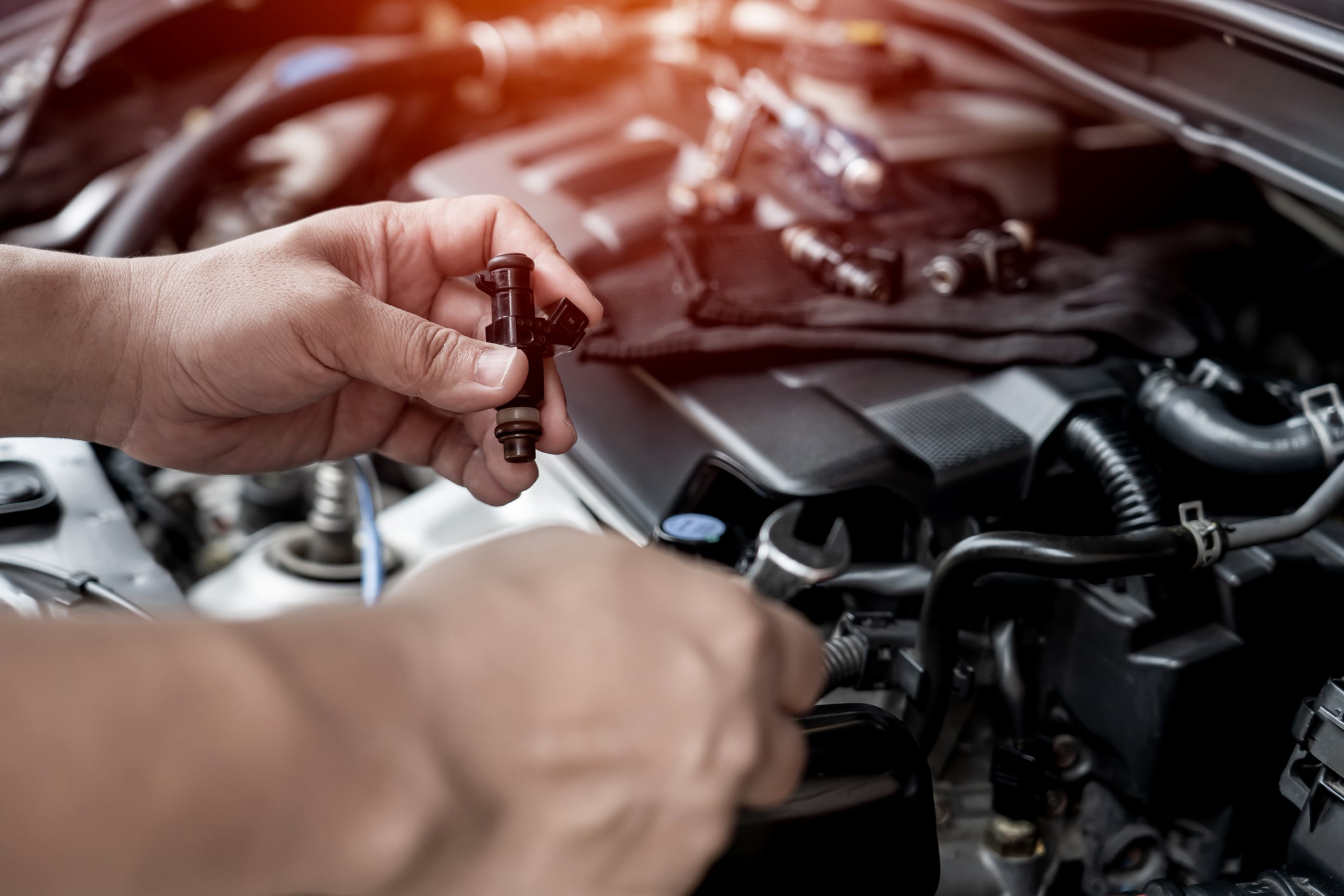
- Fuel Injectors: These precision devices spray the exact amount of fuel needed based on information from various sensors.
- Engine Control Unit (ECU): Your car's brain processes information from all sensors and makes real-time adjustments to maintain optimal performance.
While there’s more to an efficient and high-performing engine than just these components, they all play a crucial role in ensuring your car runs smoothly. Without proper functioning sensors and control units, your vehicle may experience decreased fuel efficiency, poor performance, and even potential damage.
How to Maintain Your Fuel-Air Mixture the Right Way
Keeping your engine's fuel-air mixture balanced doesn't require mechanical expertise, but it does need consistent attention to basic maintenance like replacing your air filter every 12,000 to 15,000 miles, using quality fuel, and promptly addressing check engine lights.
For more complex issues, professional services like oxygen sensor replacement, mass airflow sensor cleaning, fuel injector service, and comprehensive engine diagnostics ensure your system stays properly calibrated. Regular maintenance not only keeps your fuel-air mixture optimal but also prevents small issues from becoming expensive repairs.
Experience the Joy of a Well-Tuned Engine
When your engine's fuel-air mixture is perfectly balanced, every drive becomes more enjoyable. You'll experience smoother acceleration, better fuel economy, and the confidence that comes from a reliable vehicle. Your engine will start easily on cold mornings, respond eagerly when you need power, and reward you with years of dependable service.
Remember, your engine's fuel-air mixture is just one part of your vehicle's complex systems. Regular professional maintenance ensures all these systems work together harmoniously, keeping you safely on the road and your automotive experience joyful.
Trust Your Vehicle to the Experts at Christian Brothers Automotive
If you're experiencing any fuel mixture issues or simply want to ensure your engine is running at its best, bring your vehicle to Christian Brothers Automotive for comprehensive fuel system diagnostics and service.
Our expert technicians use advanced diagnostic equipment to identify and resolve fuel-air mixture problems with honest, transparent service you can trust. Schedule your appointment today and experience the difference that expert care makes for your vehicle's performance and reliability.
Want to see if we’re nearby? Use our store locator to find your local Christian Brothers Automotive.
[1].jpg "Four Common Services Offered at Auto Repair Centers")
[2].jpg "Make Sure You're Getting Quality Auto Parts")
sunwash-tech-with-customer.png "What is a Car Inspection?")