
Omaha Winter Vehicle Maintenance Checklist
A weak battery, underinflated tires, or a defroster that won’t clear the windshield can turn an ordinary cold-weather commute into a problem before the vehicle leaves the driveway. The best time to find those issues is before the first hard freeze. Not during a snowstorm or the morning before a holiday trip.
Omaha winters move fast. Temperature swings, snow, ice, slush, and road treatment residue all take a toll on vehicles that aren’t ready for them. Our ASE-certified technicians use manufacturer-quality equipment and explain what we find in plain language, so you can make informed decisions about what your vehicle actually needs.
Start with the Systems That Affect Winter Safety Most
Your winter checklist should begin with the systems that help your vehicle start, stop, steer, and stay visible. Some items are easy to check in your driveway. Others need testing equipment or a closer look.
Cold weather is hard on batteries because the engine demands more power to start when temperatures fall. Watch for slow cranking, dim interior lights, corrosion around the terminals, or a battery that keeps needing a jump. A professional test checks both battery condition and charging system output, so you’re not guessing whether the battery is the only problem.
Check tire pressure when the tires are cold, using the number on the vehicle placard or in the owner’s manual, not the maximum pressure molded into the sidewall. Inspect the tread for uneven wear, cracks, embedded objects, and shallow grooves. Snow and ice make responsive brakes, working anti-lock braking systems, and clean headlights especially important.
Before winter travel, test every exterior light while someone else confirms each one works. Brake noise, a pulling sensation, pedal vibration, a soft pedal, or an ABS warning light calls for an inspection, not a wait-and-see approach.
Fluids, Heat, & Visibility Before the First Freeze
The Nebraska Department of Transportation advises drivers to check antifreeze, radiator hoses, heater operation, wipers, washer fluid, tires, and exhaust systems before winter travel. A clear windshield and stable engine temperature aren’t conveniences. They’re basic safety requirements.
Coolant protects the engine from freezing and keeps operating temperature stable. Only inspect it when the engine is fully cool, and use the fluid specification in your owner’s manual. Low coolant, visible leaks, swollen hoses, or a sweet smell around the engine compartment should be evaluated before temperatures drop further.
Keep up with engine oil service on the manufacturer’s recommended schedule. Oil viscosity affects how the engine circulates lubrication during cold starts, and the right interval and specification depend on your vehicle.
Your heating and defroster system should produce warm air and clear the windshield without unusual smells, weak airflow, or persistent fogging. Test both the front and rear defrosters before the season starts. Fill the washer reservoir with winter-rated fluid and confirm the nozzles spray and the blades wipe cleanly. Replace worn blades before they leave smears across your line of sight.
Tires, Brakes, & Suspension for Snow & Ice
Traction depends on more than tread depth. Tire pressure, matched tires across each axle, wheel alignment, and suspension condition all affect how predictably your vehicle responds on snow-covered or icy pavement. Cold air reduces tire pressure, so check it regularly throughout the season, especially after sharp temperature swings. If you regularly encounter severe winter conditions, winter tires with tread patterns and rubber compounds designed for cold weather are worth considering.
Uneven tire wear, steering wheel vibration, drifting, clunking over bumps, or a vehicle that feels unstable can all point to alignment or suspension concerns. Worn suspension components reduce how well your tires stay in contact with the road, and that matters most when pavement is slick. Our technicians can inspect brake components, tire wear patterns, steering parts, and suspension systems that aren’t visible during a driveway check. Addressing changes in steering or braking before a trip is always safer than waiting for the warning sign to get worse.
Protect Your Vehicle from Winter Road Conditions
Road salt, moisture, and slush collect underneath a vehicle and around exposed components. Over time, that residue contributes to corrosion on fasteners, brake hardware, and other underbody parts. When conditions allow, wash winter grime from the exterior and underbody according to your vehicle’s care recommendations. Continue watching for fluid spots where you park, damaged hoses, persistent rust, or new noises after driving through deep slush.
Keep a Winter Emergency Kit in Your Vehicle
A winter emergency kit covers four needs during an unexpected delay: visibility, traction, warmth, and communication. The Nebraska Department of Transportation recommends carrying a vehicle survival kit and preparing for changing road conditions.
Keep these items together:
- Visibility: An ice scraper, snow brush, flashlight, and spare batteries.
- Traction: A compact shovel and traction material for a stuck tire.
- Power: Jumper cables or an approved jump pack, plus a phone charger.
- Warmth: Blankets, gloves, hats, and warm clothing.
- Basic Care: First aid supplies, water, and nonperishable food.
Check the kit at the start of winter and again after you’ve used it. Replace depleted batteries, expired food, missing supplies, and any traction material that’s gotten wet or used up.
When a Winter Checkup Becomes a Repair
A checklist handles prevention. Certain symptoms need diagnostic work. Hard starting, recurring battery weakness, dashboard warning lights, weak heat, defroster failure, gradual tire pressure loss, fluid leaks, or changes in braking and steering all move beyond what a driveway review can address.
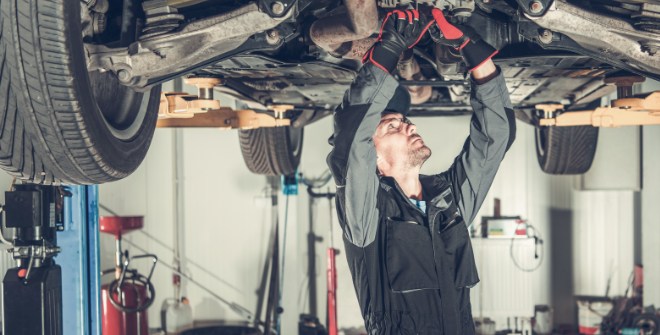
A professional inspection can include testing the battery and charging system, checking cooling system protection, evaluating suspension components, and checking for exhaust leaks. Exhaust leaks deserve prompt attention. Carbon monoxide is colorless and odorless and can enter the passenger compartment without warning.
Winter readiness is a sequence: small checks before the first freeze, regular monitoring through the season, and follow-up after severe weather or heavy road salt exposure. If you’d like help with a seasonal inspection or a winter-related concern, our team at Christian Brothers Automotive can walk you through what your vehicle needs. Reach us at
">.[1].jpg "Four Common Services Offered at Auto Repair Centers")
[2].jpg "Make Sure You're Getting Quality Auto Parts")
sunwash-tech-with-customer.png "What is a Car Inspection?")