Coolant Light on the Dashboard? Here's When to Worry.
You're backing out of the driveway and a light you don't recognize glows on your dashboard. No one wants to start the day with a new dashboard light they haven’t seen before.
The coolant warning light is one of the most misread indicators drivers encounter. Some people panic when they don't need to. Others dismiss a warning that genuinely needs attention.
The color of the light tells you everything about how urgent the situation is, and knowing the difference takes most of the stress out of the moment. Christian Brothers Automotive is here to help you understand your next steps.
There Are Two Different Coolant Warning Lights
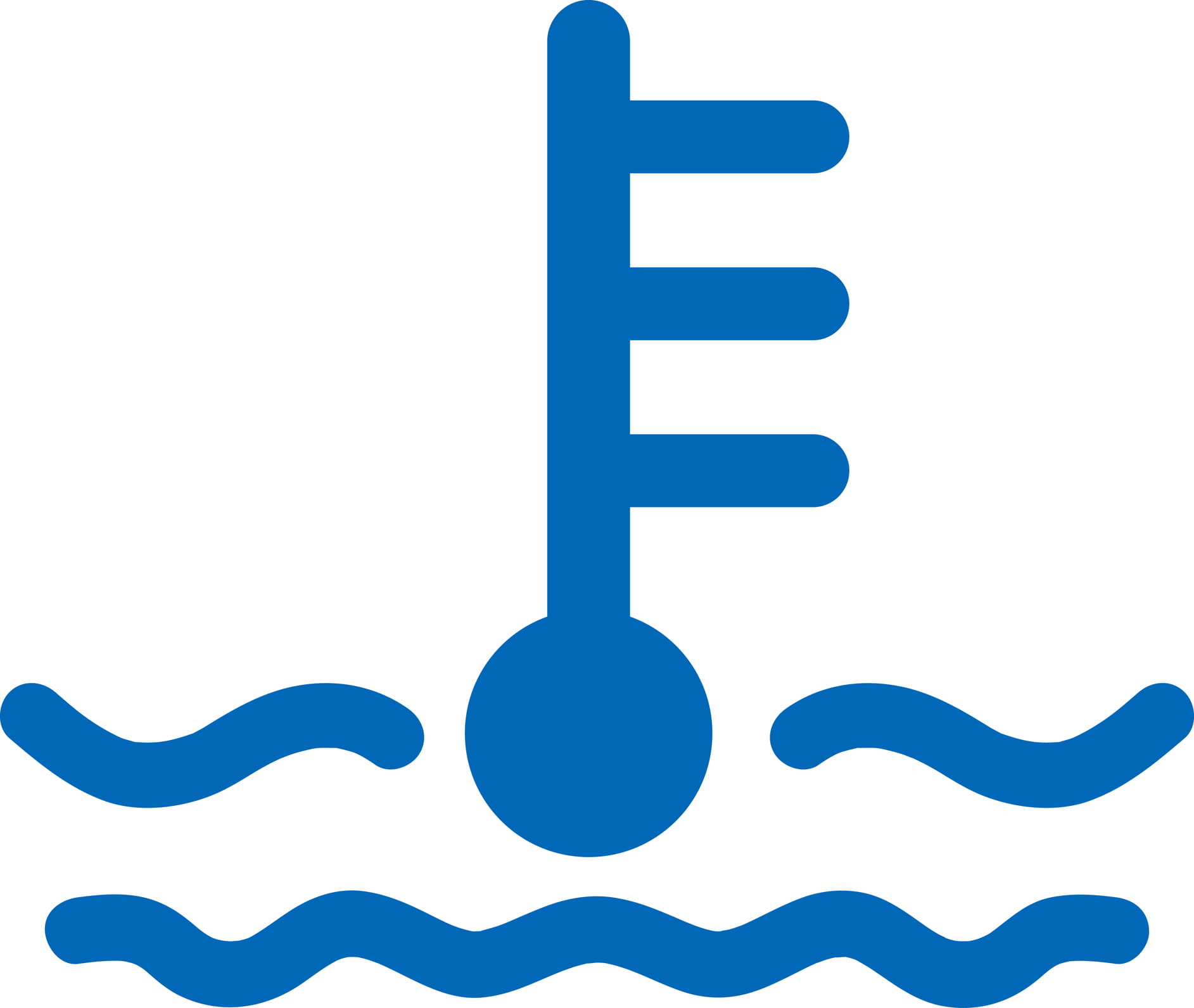
The coolant warning light looks like a thermometer sitting in liquid, usually with small waves beneath it. You'll find it in the instrument cluster alongside your speedometer and fuel gauge.
Most vehicles have two separate coolant indicators, each with a distinct color and meaning.
One is blue. One is red. Treating them the same way is where drivers get into trouble.
What the Blue Coolant Light Means
A blue coolant light is nothing to panic over. It means the engine has not reached its normal operating temperature yet. This shows up most often on cold mornings or after the car has been sitting for several hours. The engine needs a few minutes to warm up before coolant reaches the right temperature to circulate efficiently.
In most vehicles, the blue light disappears within five to ten minutes of driving. Until it does, avoid pushing the engine hard. Ease into acceleration and skip the highway if you are only a block from home.
If the blue light stays on longer than 10 minutes of normal driving, there may be something wrong.
For example, a thermostat may be stuck in the open position. This can keep coolant flowing continuously, which prevents the engine from reaching its normal operating temperature.
What the Red Coolant Warning Light Means
The red coolant light is a different situation entirely. This one requires your attention right away.
Two main problems trigger the red light:
- Low Coolant Level: the reservoir has dropped below the minimum threshold, leaving the cooling system without enough fluid to regulate engine temperature
- Engine Overheating: coolant is present, but engine temperature has climbed beyond a safe range
You tell the two apart by watching for other symptoms.
An overheating engine often produces steam from under the hood, a burning smell from the engine bay, or a temperature gauge needle climbing toward the red zone.
A low coolant situation tends to show up without those additional warning signs, at least initially.
Both causes are serious. Continuing to drive with either one risks significant engine damage.
What to Do When the Red Coolant Light Comes On
- Signal and pull over safely. Find a parking lot or side street and turn the engine off. Every extra minute of driving risks more damage.
- Do not open the radiator cap. With a hot engine, the cooling system is under pressure. Opening the cap releases scalding steam and coolant. Wait until the engine cools completely before touching anything under the hood.
- Let the engine sit for at least 30 minutes. Temperature needs time to drop before you check anything. Use this time to call a shop or roadside assistance if needed.
- Check the coolant reservoir. Once the engine cools, locate the translucent plastic reservoir in the engine bay. The sides show minimum and maximum markings. If the level sits below the minimum line, top it off with the coolant type your owner's manual specifies.
- Look for leaks. Check under the car for pooling fluid. Coolant is often bright green, orange, or pink depending on the formula used.
If the level looks fine and no leaks are visible, the problem likely lies with a sensor or another cooling system component. A shop visit is the right next step.
When to Bring Your Car In for a Coolant Check
Some situations call for a same-day visit. Others give you a little more flexibility.
Get in the same day if:
- The red light came on while driving and the engine showed signs of overheating
- You noticed steam, a burning smell, or unusual heat from the hood
- The coolant level was low and you do not know why
You have a little more time if:
- The blue light stayed on longer than usual but the engine showed no other symptoms
- The coolant level was slightly low, you topped it off, and the light cleared
When in doubt, schedule the appointment with your local auto shop.
Cooling system problems tend to grow more expensive the longer they go unaddressed. A technician will check the coolant level, inspect hoses and connections, test the thermostat, and look for leaks throughout the system. Catching a small problem early keeps the repair from becoming a much larger one.
Schedule Your Cooling System Service Today
At Christian Brothers Automotive, our team handles cooling system inspections and repairs for all makes and models. Every visit includes a courtesy inspection so we see the full picture, beyond the part that triggered the light. Every repair we perform aims to drive joy back into your day.
If a coolant warning light has you second-guessing whether to drive, trust that instinct.
Find your nearest Christian Brothers Automotive location and schedule a visit. We will take a look and give you an honest answer.
[1].jpg "Four Common Services Offered at Auto Repair Centers")
[2].jpg "Make Sure You're Getting Quality Auto Parts")