
Your Complete Checklist for Teaching Someone to Drive
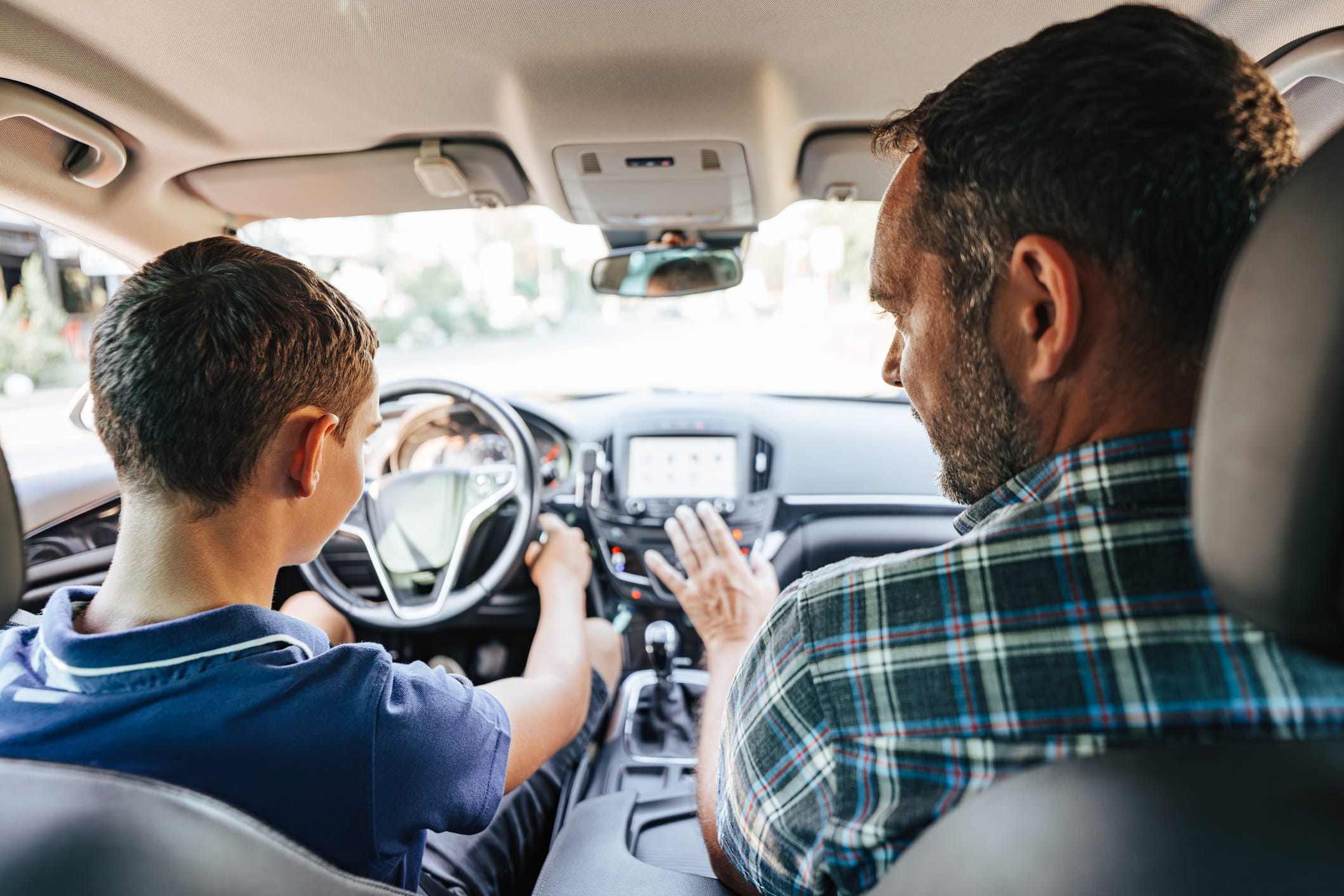
Teaching a new driver takes more than good intentions. The hours you spend in the passenger seat shape habits your learner carries for life, which means a clear, structured approach matters from day one.
Without a plan, you skip skills, lessons fall apart, and frustration builds on both sides of the car. Research highlights how much parent-supervised practice shapes long-term driving habits, underscoring the importance of how you use those hours behind the wheel.
At Christian Brothers Automotive, we see new drivers and their parents working through this process all the time, which is why we put together a practical checklist you can follow from the first lesson through the road test.
Start with the Vehicle
Before any lesson begins, confirm the car your learner will practice in is in good working condition. Good brakes, properly inflated tires, functioning lights, and clean fluid levels are not optional. A new driver needs to focus entirely on building skills, not compensating for a vehicle with known issues.
If you have questions about the car's condition, schedule a courtesy inspection at Christian Brothers Automotive. Our technicians give you a clear picture of what's working and what needs attention before your learner ever pulls out of the driveway.
Pre-Drive Checklist: Run Through This Before Every Lesson
Starting every lesson the same way builds habits faster than drilling skills in isolation. Walk through these steps together before putting the car in drive:
- Seat Position: Your learner should sit upright with a slight knee bend when pressing the brake pedal fully to the floor.
- Mirror Adjustment: Set the rearview mirror and both side mirrors for your learner's sightlines, not yours.
- Seatbelts: Both of you buckle up before the engine starts, every time.
- Control Locations: Point out the wipers, defroster, headlights, hazard lights, and parking brake before moving anywhere.
- Exterior Walkthrough: Walk around the car together and check for anything in the immediate path before getting in.
This routine becomes second nature with repetition. Your learner will do it automatically long after they drive solo.
Core Driving Skills to Build First
New drivers need a solid foundation before you introduce other cars, intersections, or any real traffic. Start in an empty parking lot and work through these skills one at a time:
- Steering and Braking: Practice smooth, gradual stops and controlled turns. Jerky inputs are normal at first. Work toward steady, consistent movements over multiple sessions.
- Accelerating from a Stop: Teach your learner to press the gas gradually and avoid sharp, abrupt starts.
- Mirror Scanning: Build the habit of checking all three mirrors every five to eight seconds while the car is moving.
- Signaling: Turning on the turn signal should become a reflex, not an afterthought. Practice it every time, even in a parking lot.
- Speed Awareness: Introduce posted speed limits and the idea of adjusting speed for road conditions before your learner ever sees a highway.
Once your learner handles these consistently in a quiet setting, bring in light residential traffic.
Driving Teaching Techniques That Actually Work
How you deliver instruction matters as much as what you teach. These approaches make lessons more productive without adding stress:
- Narrate Before Demonstrating: Describe what you're doing and why before asking your learner to do it. Hearing the logic behind a skill helps absorb it.
- One Instruction at a Time: Long explanations while the car is moving overwhelm new drivers. Keep instructions short and give your learner time to respond before adding more.
- Keep Your Voice Steady: Your tone sets the mood in the car. A calm voice keeps your learner focused rather than flustered.
- Stop and Debrief: After a challenging stretch, pull over safely and talk through what happened before moving on. Processing out loud reinforces what the lesson taught.
Track Progress Before Moving On
Not every learner progresses at the same pace, and there's nothing wrong with slowing down. Before moving to more demanding conditions, confirm your learner handles all of these consistently:
- Parking lot basics completed with confidence
- Comfortable and controlled at residential street speeds
- Manages four-way stops correctly every time
- Merges onto a main road with appropriate timing
- Maintains lane position reliably in light traffic
- Parks independently in a standard-size space
Once those milestones hold up across multiple lessons, introduce new challenges one at a time: highway driving, night driving, rain, and heavier traffic.
Preparing for the Road Test
When your learner gets close to being ready, shift your final lessons toward road test skills. Give these the same focused attention you gave the basics:
- Parallel Parking: Most road tests include it. Practice regularly, especially when your learner finds it difficult.
- Lane Changes: Full mirror check plus a shoulder check before every lane change, without exception.
- Defensive Driving Habits: Scanning intersections, maintaining safe following distance, and staying aware of pedestrians and cyclists.
- Speed Limit Consistency: Steady adherence to posted limits without drifting above or below.
A few focused sessions on a route similar to your local DMV test course builds the kind of calm confidence your learner needs on test day.
For teen learners specifically, our guide to teen driving practice conditions covers the road and weather scenarios worth building into your lessons before they go solo.
Before You Hand Over the Keys
A new driver has enough to focus on without worrying about the car. Schedule a complimentary courtesy inspection at Christian Brothers Automotive before the first lesson. Our technicians will check the brakes, tires, lights, and fluids so the only thing on your learner's mind is the road.
Find your local Christian Brothers Automotive to schedule your visit or swing by today.
[1].jpg "Four Common Services Offered at Auto Repair Centers")
[2].jpg "Make Sure You're Getting Quality Auto Parts")