Unexpected Reasons Your Check Engine Light Is On
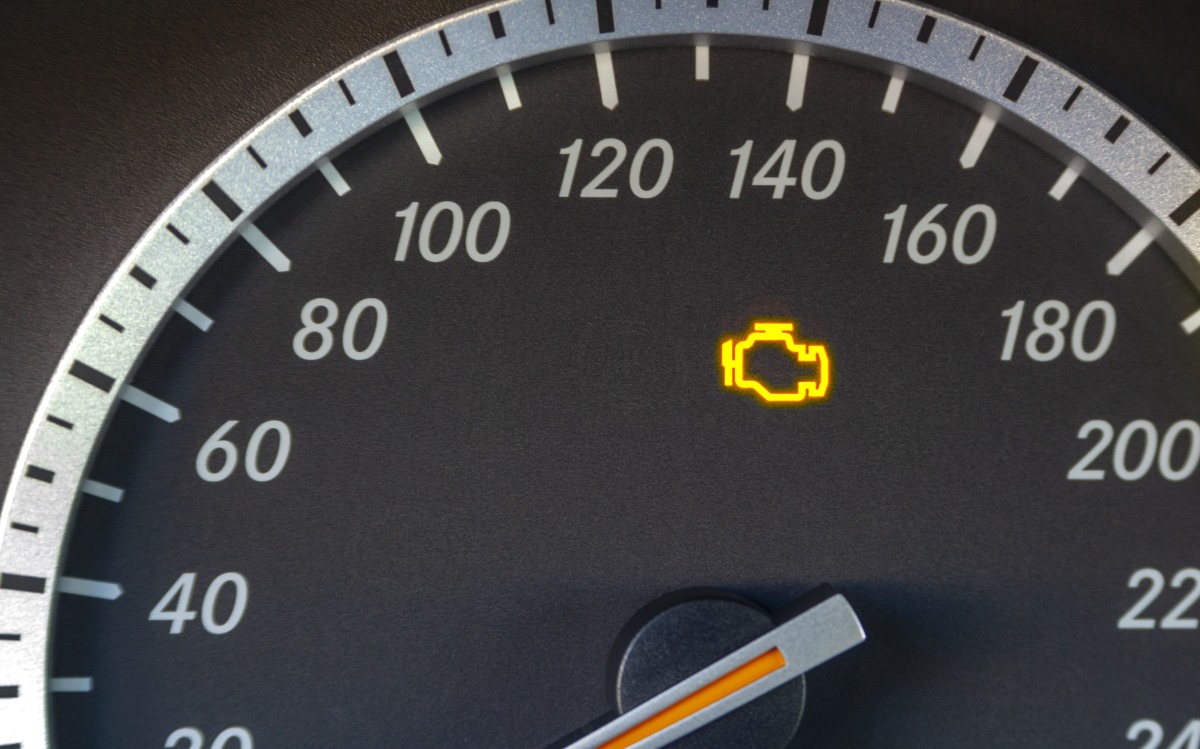
We've all been there—you get in your car, ready to leave for work, and the check engine light pops on. Whether your light is red, orange, or yellow, it's usually accompanied by an onset of panic, anxiety, or frustration.
What Is a Check Engine Light?
The check engine light, also called the malfunction indicator lamp, is a signal from the car's engine computer that something is wrong with your vehicle. It's your car's way of giving you a heads up that something is malfunctioning during operation.
What Does Your Check Engine Light Mean?
Your engine control unit monitors your engine's performance along with other related components that keep your vehicle operating properly within certain emissions standards. When this computer collects data that is outside of normal operation, it records a specific fault code that relates to the issue. The check engine light then illuminates, to let the driver know this has happened.
In most cars, a flashing check engine light means something should be done immediately, as the problem could be dangerous, while a steady light indicates an issue that should be checked soon.
What to Do About Your Check Engine Light
There are few feelings more intimidating and annoying than watching your car's check engine light click on. Since the standardization of check engine lights in 1996, it has confused many drivers. This is due to the wide variety of issues the light could be indicating.
Unfortunately, driving around, hoping, and praying the light turns off won't do you or your vehicle much good. If your check engine light has recently come on, there are two major categories of problems your vehicle may be facing.
Fuel System Issues
Faulty Gas Cap
Your vehicle is pretty good at warning you of any potential trouble. Something as simple as forgetting to replace the gas cap could cause your "check engine" light to come on. This is because the gas cap keeps vapors from escaping the fuel tank. A loose or broken gas cap can dramatically reduce fuel efficiency and increase emissions.
MAF Sensor
Mass airflow sensors are a common item to go bad in vehicles. A MAF sensor sits near the engine and reads how much oxygen is being let into your engine along with gasoline. There is a certain level of oxygen the engine requires to run efficiently and stay safe. When the MAF sensor goes out, your car no longer reads these important levels. This is a simple fix that requires only a quick replacement.
Faulty Ignition
Spark plugs ignite the fuel as it flows through the engine's cylinders. Failing to replace a spark plug could lead to catalytic converter failure or other serious problems.
Exhaust Problems
Catalytic Converter
The catalytic converter takes dangerous gases your vehicle produces and makes them less harmful. If your catalytic converter fails, you are putting yourself and the environment in danger of high output of carbon monoxide and other harmful gases.
O2 Sensor
The combustion process requires a very delicate mixture of chemical gasses. The O2 sensor monitors these gases to make sure the right amount of oxygen is present. When the O2 sensor fails, the vehicle cannot perform as needed. This significantly reduces fuel economy and could end up costing thousands in damages. Replacing your O2 sensor at the first sign of trouble will save time and money in preventable repairs.
Check Engine Light Service & Repairs
Next time your engine light comes on, bring it directly to Christian Brothers Automotive. Not only do we have the proper tools to diagnose the issue, but we also have the experience and knowledge to deliver you a durable repair that gets you on the road again.
Following a diagnostic procedure or test, our experts will provide an itemized estimate for you to look over and approve. We'll never make any service decisions without first asking for your approval.
Whether your check engine light recently came on, or you've been looking at it anxiously for hundreds of miles, we can help you determine the problem and fix it with reliable and professional services. Call Christian Brothers Automotive today to schedule your next service appointment! Explore our site to discover why we are continually chosen to meet our guests' auto care needs.
Let’s get that check engine light checked. Find your Christian Brothers Automotive today!
Frequently Asked Questions About Check Engine Lights
What Should I Do When My Check Engine Light Comes On?
When your check engine light comes on, check your gas cap first, note whether the light is steady or flashing, and schedule a diagnostic as soon as possible.
- Check the Gas Cap First. A loose, cracked, or missing gas cap is one of the most common triggers. Tighten or replace the cap and the light often clears within a few drive cycles.
- Note How the Light Behaves. A steady check engine light means bring your car in soon. A flashing check engine light means stop driving and have your vehicle inspected right away, as continued driving risks serious engine damage.
- Limit Highway Driving Until the Cause Is Known. Higher engine loads can accelerate wear on a component that's already struggling.
- Schedule a Diagnostic. A technician will pull the stored fault code, identify the specific system or part that triggered the light, and walk you through your options.
At Christian Brothers Automotive, we run a full diagnostic and present you with a clear, itemized estimate before any work begins. You approve everything first.
Can I Keep Driving with My Check Engine Light On?
Whether you can keep driving with your check engine light on depends on how the light appears. A steady light typically signals a non-emergency issue, but one that still needs professional attention within the next few days. A flashing check engine light means pull over as soon as it is safe to do so, since continued operation risks serious and costly engine damage.
When the light is steady and your car drives normally, short-distance driving to reach a shop is usually fine. When the light flashes, arrange to have your vehicle towed or inspected right away rather than risk further damage.
Why Does My Check Engine Light Come On and Then Turn Off?
A check engine light that comes on and then turns off on its own usually points to an intermittent fault, meaning a sensor or component detected an issue that was temporarily resolved. Common causes include a loose gas cap, a misfiring spark plug, or a fluctuating sensor reading.
Even after the light clears, the original fault code remains in your vehicle's computer. A technician can retrieve that code and diagnose what triggered the light before the underlying problem worsens or becomes harder to trace. Bringing your car in after an intermittent light is the most reliable way to catch a small issue before a larger one develops.
Will Resetting My Check Engine Light Fix the Problem?
No, resetting your check engine light does not fix the underlying problem. Resetting clears the fault code from your vehicle's computer, but the issue that caused the light remains. In most cases, the light returns once your car goes through the same operating conditions that triggered the fault.
The better approach is a proper computer diagnostic before resetting anything. Reading the fault code first tells a technician exactly which component or system needs attention. Clearing the code without diagnosing removes the only record your car has of what went wrong.
Does My Check Engine Light Come On When I Need an Oil Change?
Your check engine light and your oil change indicator are two separate warning systems. The check engine light signals a problem with your engine's performance, emissions system, or related components. The oil service indicator appears when your oil is due for a change based on mileage or time, and they operate independently.
If both lights appear at the same time, or your check engine light comes on around the time of an oil change, bring your car in. Low or degraded oil can sometimes trigger fault codes in sensors that monitor engine performance, so addressing both concerns at once is the most thorough approach.
[1].jpg "Four Common Services Offered at Auto Repair Centers")
[2].jpg "Make Sure You're Getting Quality Auto Parts")