

Important Car Sensors You Shouldn’t Ignore
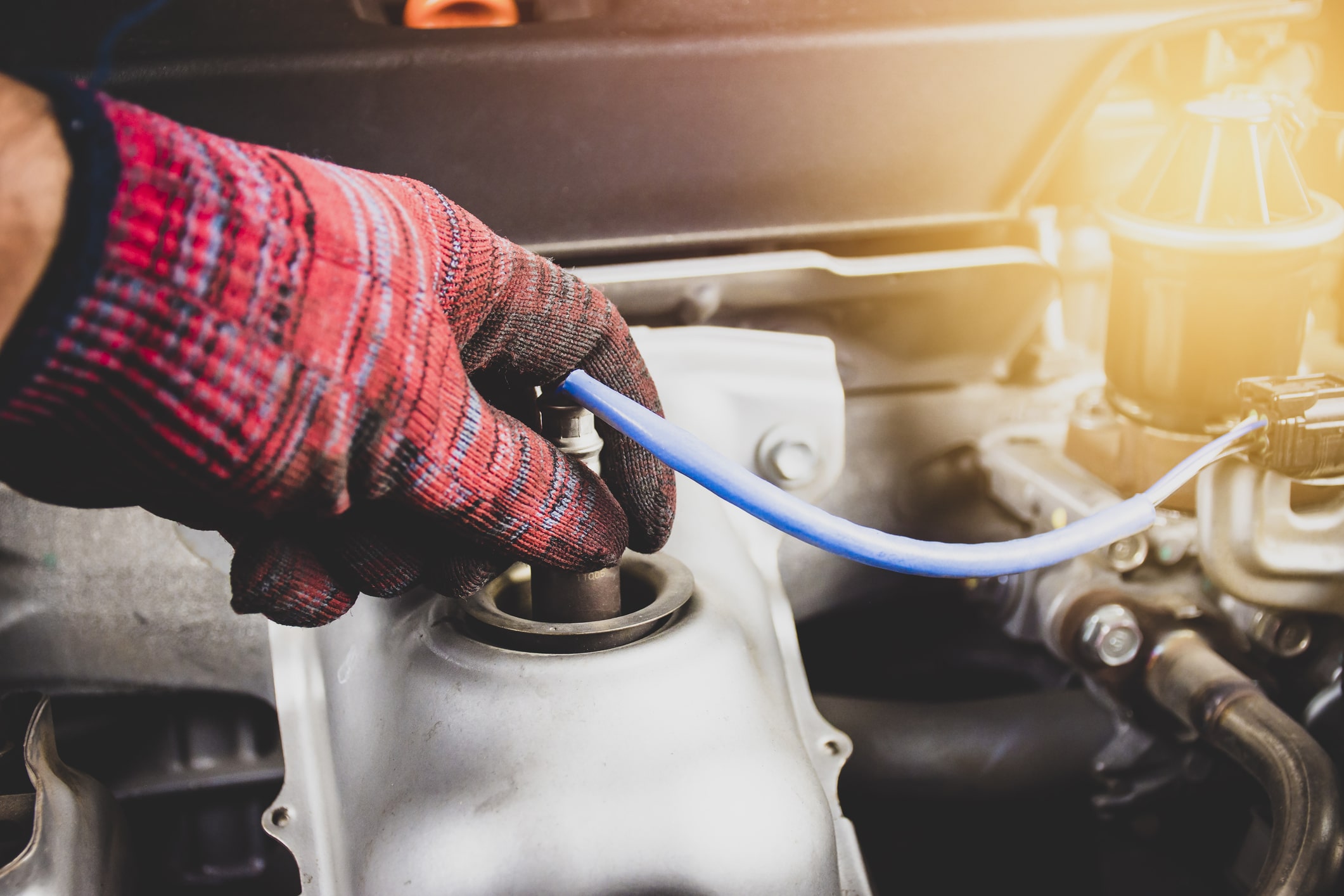
Modern vehicles are a marvel of technology, with hundreds of components working harmoniously to get you from point A to point B seamlessly. Among these, car sensors play a crucial role, acting as the “nervous system” of your vehicle. They provide essential data to your car’s engine control unit (ECU), ensuring optimal performance, efficiency, and safety.
But what exactly are these sensors, and why are they so important? With some help from Christian Brothers Automotive, learn about the most important car sensors, how they function, and the consequences of their failure. Plus, we’ll answer some commonly asked questions to help you better understand your car’s sensors.
The Most Important Car Sensors
1. Mass Air Flow (MAF) Sensor
The Mass Air Flow (MAF) sensor measures the precise amount of air entering the engine. This information is vital for the ECU, as it calculates the correct amount of fuel to inject. The perfect mix of air and fuel ensures your engine runs efficiently, produces optimal power, and minimizes emissions.
A malfunctioning MAF sensor can lead to:
- Poor fuel economy
- Rough idling or inconsistent engine sounds
- Engine stalling or hesitation during acceleration
- Difficulty starting your car
- Potential long-term engine damage
For instance, if the sensor underestimates the airflow, the engine might run “lean,” leading to poor performance. On the flip side, if it overestimates airflow, your engine might run “rich,” wasting fuel and increasing emissions.
2. Oxygen (O2) Sensor
The oxygen sensor is located in the exhaust system and monitors the amount of unburned oxygen in the exhaust gases. This data helps the ECU adjust the air-fuel mixture to strike the perfect balance for combustion. Not only does this improve fuel efficiency, but it also reduces harmful emissions, helping your car stay environmentally friendly.
When the oxygen sensor malfunctions, you'll likely experience:
- Increased fuel consumption
- Noticeable loss of engine performance
- Higher levels of emissions (which may cause you to fail an emissions test)
- Potential engine damage due to an incorrect air-fuel mixture
Considering its role in fuel efficiency and emissions control, a faulty O2 sensor is something you’ll want to address as soon as possible.
3. Crankshaft Position Sensor
The crankshaft position sensor monitors the position and rotation speed of the crankshaft. This information allows the ECU to time ignition and fuel injection precisely, ensuring the engine operates smoothly and efficiently.
If the crankshaft sensor fails:
- The engine might not start at all.
- You could experience engine misfires or stalling.
- Rough idling and vibrations might become a problem.
- Long-term damage to the engine is possible if the issue is ignored.
This sensor plays a critical role in your engine's core functions, and its failure could leave you unexpectedly stranded.
4. Camshaft Position Sensor
While the crankshaft sensor monitors the crankshaft, the camshaft position sensor monitors the position of the camshaft. This is critical for controlling the opening and closing of your car’s engine valves in synchronization with the crankshaft.
The symptoms of a faulty camshaft sensor are similar to those of a crankshaft sensor:
- Difficulty starting the engine or failure to start entirely
- Poor acceleration and reduced power
- Sudden stalling while driving
- Engine misfires that can lead to damage over time
Together, the crankshaft and camshaft sensors form the backbone of your car’s internal timing system.
5. Engine Coolant Temperature Sensor
The engine coolant temperature sensor measures the temperature of the engine’s coolant. This is vital for maintaining the ideal engine temperature, ensuring optimal performance, preventing overheating, and maximizing the engine’s lifespan.
A malfunctioning coolant temperature sensor can lead to:
- Overheating, which can cause severe engine damage
- Incorrect fuel mixture adjustments
- Rough engine performance, especially during cold starts
Since overheating is one of the fastest ways to ruin an engine, this sensor’s role in temperature regulation is critical.
FAQs About Car Sensors
What Is a Car Sensor?
A car sensor is a device installed in your vehicle to collect specific data (such as temperature, pressure, or flow) and send it to the ECU. The ECU then uses this data to ensure the vehicle operates correctly. Sensors are the unsung heroes that keep your engine, exhaust system, and other components functioning at their best.
Are Car Sensors Expensive to Fix?
The cost of repairing or replacing a car sensor varies depending on the type and brand of your vehicle. For example:
- Oxygen sensors and MAF sensors typically cost between $150 and $400, including labor.
- Crankshaft and camshaft sensors can range from $250 to $700, depending on their location and accessibility.
While these costs can seem high, leaving a faulty sensor unaddressed could result in more expensive repairs down the line.
Can I Drive with a Bad Car Sensor?
Technically, your car may still operate with a faulty sensor, but it’s not advisable. A faulty sensor can lead to issues like poor fuel economy, reduced performance, and environmental consequences (due to higher emissions). Additionally, the longer you ignore the problem, the more likely it is to cause severe damage to your engine.
How Often Should Car Sensors Be Replaced?
There’s no easy answer, as the lifespan of car sensors depends on various factors like driving conditions and maintenance habits. Oxygen sensors, for example, typically last between 60,000 to 100,000 miles. In some newer vehicles the self diagnostic system’s check engine light will come on to indicate a malfunction when a sensor is reading abnormally. Regular inspections can best help identify potential issues before they escalate.
Maximize Your Car’s Performance with Well-Maintained Sensors
Car sensors may be small, but they have a huge impact on your vehicle's performance, safety, and efficiency. By understanding the role these sensors play and being proactive about maintenance, you can avoid costly repairs and ensure your car runs smoothly.
If you suspect an issue or have questions about your car’s sensors, don’t wait—Christian Brothers Automotive is here to help! With our auto repair services, we can professionally diagnose and fix any sensor-related issues to get you back on the road in no time.
Find your local Christian Brothers Automotive to book an appointment for your car sensor service!
[1].jpg "Four Common Services Offered at Auto Repair Centers")
[2].jpg "Make Sure You're Getting Quality Auto Parts")
sunwash-tech-with-customer.png "What is a Car Inspection?")