
What Is Hydroplaning? How to Prevent It and More.
Driving in the rain can be challenging. Suddenly, your car feels like it’s gliding uncontrollably. That terrifying moment is called hydroplaning, and it occurs more often than you might think.
Understanding what hydroplaning is and how to deal with it can make all the difference between a close call and a serious accident. At Christian Brothers Automotive, we prioritize your safety and are here to help you stay in control, even in wet weather.
This guide will break down the causes of hydroplaning, why it’s so dangerous, and how you can prevent it. With proper preparation and the right habits, you can drive confidently in rainy conditions.
What Is Hydroplaning?
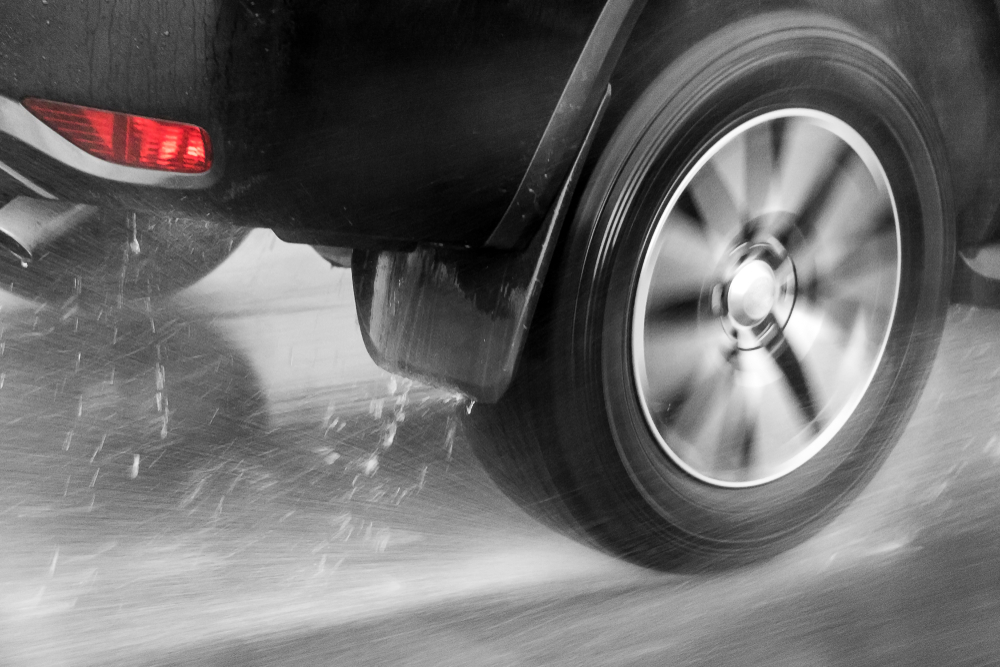
Hydroplaning happens when your tires lose contact with the road and skim over a layer of water, causing a loss of traction. This can occur even with just a thin layer of water on the road. But how can such a small amount of water lift thousands of pounds of a vehicle?
The answer lies in speed and surface tension. When a car hits water at a certain speed, the water pressure builds under the tires faster than it can be displaced. When this happens, your tires essentially float on the water.
How Fast Do You Have to Go to Hydroplane?
Hydroplaning can occur at speeds as low as 35 mph. The faster you drive, the more likely hydroplaning is to occur, and the longer the tires will stay disconnected from the road. It’s not uncommon for cars traveling at 60 to 70 miles per hour to hydroplane for 30 to 40 feet or more.
Factors That Cause Hydroplaning
While all wet roads carry some level of risk, certain conditions can significantly increase the chances of hydroplaning. Common causes of hydroplaning include:
- Worn Tires: Tires with shallow tread lack the grooves needed to channel water away. Without these grooves, water builds up under the tire, increasing the chances of hydroplaning.
- Driving Speed: Vehicles traveling at 50 mph or faster are at greater risk, especially on wet surfaces.
- Road Conditions: Puddles, oil-slicked spots, and improperly drained areas can cause sudden loss of traction.
When hydroplaning occurs, your car can slide, spin, or veer uncontrollably, increasing the risk of accidents.
Why Is Hydroplaning Dangerous?
Hydroplaning isn’t just unsettling; it’s a serious safety hazard. When your tires lose grip on the road, several issues happen simultaneously:
- Loss of Steering Control: You can’t maneuver your car effectively.
- Ineffective Braking: Slamming on the brakes worsens the problem, often locking the wheels and causing further instability.
- Potential Collisions: Spinning out or veering off-course can lead to crashes with other vehicles or obstacles.
If your car hydroplanes, keeping calm is essential. The wrong reaction can turn a manageable situation into a serious accident.
What to Do If You Hydroplane
Hydroplaning can be a scary experience, but staying calm is key. Follow these steps to regain control safely:
- Stay Calm: Panicking can lead to overcorrections. Avoid jerking the steering wheel or pounding on the brakes.
- Ease Off the Gas: Gradually lift your foot off the accelerator to reduce speed.
- Steer Straight: Keep your hands steady and point the wheel forward. Resist the instinct to swerve.
Remember, hydroplaning is temporary and staying calm is your best tool to regain control. By following these steps, you can navigate the situation safely and get back on the road with confidence.
How to Prevent Hydroplaning
Prevention starts before you even hit the road. By taking a few precautionary steps, you can greatly reduce your chances of hydroplaning and keep yourself, your passengers, and others on the road safe.
Adjust Your Driving Habits:
Your driving behavior plays a key role in avoiding hydroplaning. Staying mindful behind the wheel can significantly improve your control during rainy conditions. Consider these driving tips for wet weather:
- Slow Down: Drive at a speed that’s safe for road conditions, even if it’s below the posted speed limit. Slower speeds allow your tires to channel water more effectively.
- Follow the 4-Second Rule: Increase the distance between your car and the one in front of you. This gives you more time to react.
- Avoid Standing Water: Large puddles often form in the right-most lanes of the road, where drainage is typically directed. Be extra cautious in these areas, especially during heavy rain.
- Turn Off Cruise Control: Disable cruise control to stay in full control during wet conditions. Adjust your speed manually to react quickly and reduce the risk of hydroplaning.
By adjusting the way you drive, you can help avoid potential hazards and stay safe during wet weather.
Maintain Your Tires
Your tires are your car’s first line of defense against hydroplaning. Keeping them in peak condition ensures they perform effectively, especially in challenging conditions. Remember to:
- Check Tread Depth Regularly: Tires should have a tread depth of at least 2/32” to meet legal requirements, but it’s safer to replace them well before this point. Use the "penny test" to assess tread depth or consult your mechanic for a precise measurement.
- Monitor Tire Pressure: Underinflated tires aren’t as effective at pushing water away. Check your pressure monthly and adjust to your vehicle’s recommended levels.
A quick check of your tires can make all the difference in preventing hydroplaning and improving your overall road safety.
Keep Your Car in Optimal Condition
Proper car maintenance goes beyond just tires. Ensuring your vehicle is in top condition helps it handle wet roads and unexpected situations better. Consider:
- Brake, Tire, and Suspension Checks: Regular inspections ensure optimal safety and performance.
- Professional Alignment: Enhances tire performance, especially on wet roads.
By staying proactive with maintenance, you can maximize your vehicle’s safety features and minimize risks in wet weather.
Christian Brothers Automotive Can Prepare Your Car for Wet Weather
At Christian Brothers Automotive, we care about keeping you safe in all weather conditions. Whether you need new tires, brake adjustments, or a seasonal vehicle inspection, our expert technicians are ready to assist. We use high-quality, name-brand parts and provide honest, upfront advice so you can drive with peace of mind.
Find your local Christian Brothers Automotive today to schedule an appointment and prepare your car for the rainy season. Stay safe and in control!
[1].jpg "Four Common Services Offered at Auto Repair Centers")
[2].jpg "Make Sure You're Getting Quality Auto Parts")
sunwash-tech-with-customer.png "What is a Car Inspection?")