

Why Is Smoke Coming from My Exhaust?
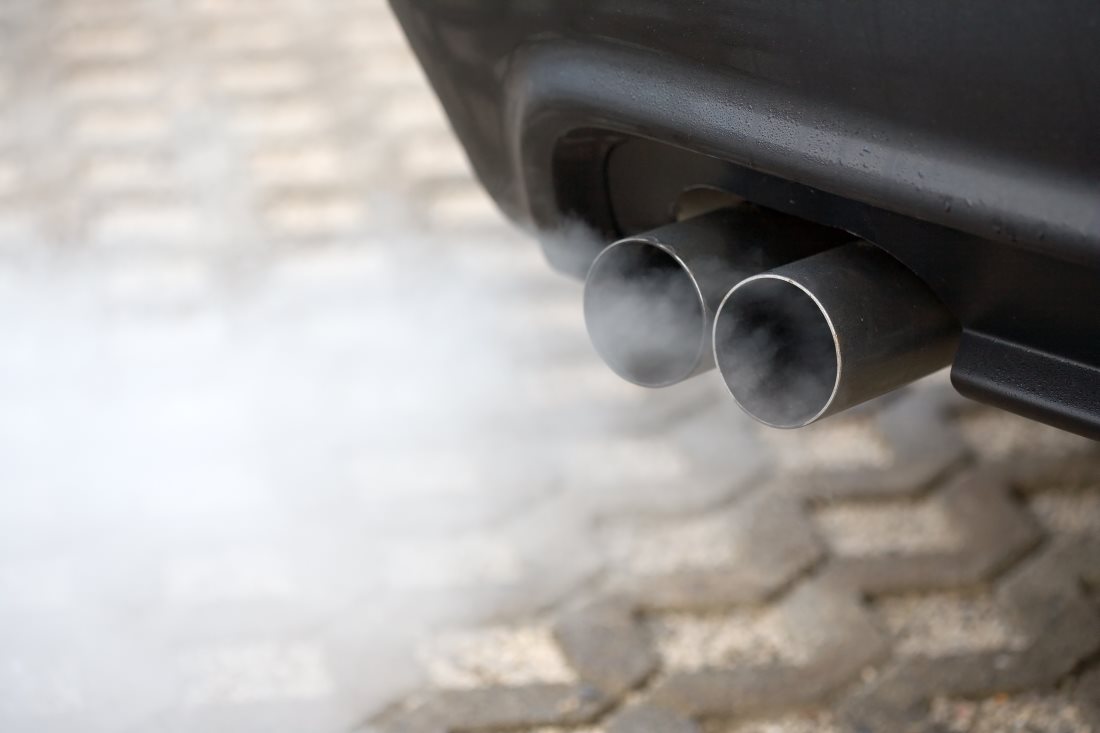
Your car’s exhaust system does a lot more than you might think. It ensures harmful gases are emitted safely, keeps your engine running efficiently, and gives clues about your vehicle’s health when something isn’t right.
A common question we get from drivers is, “Why is smoke coming from my exhaust?” It’s a valid concern, and the color of the smoke often holds the key to the answer.
Noticing different colors of exhaust smoke and wondering what they could mean for your vehicle? At Christian Brothers Automotive, we’re here to provide the answers you need! Below, we highlight some of the most common types of exhaust smoke and what they could indicate about your car's health.
What Is Smoke Coming Out of the Exhaust?
Exhaust smoke is a byproduct of fuel combustion within your engine, released through the tailpipe. Its color and volume can reveal important insights about your engine’s condition and performance.
What Color Should Exhaust Be?
Normal exhaust should be nearly invisible, consisting mainly of water vapor and carbon dioxide, while visible smoke typically signals an underlying mechanical issue that needs attention.
The smoke occurs because your engine is either burning something it shouldn't (like oil or coolant) or not burning fuel efficiently, making it an important diagnostic tool for identifying potential problems.
What Causes Black Exhaust Smoke?
If your exhaust system ever emits black smoke, it's important to have your vehicle inspected as soon as possible. Black smoke indicates your engine is burning fuel excessively due to an overly rich fuel-air mixture. This happens when there isn't enough air to properly combust the fuel, leading to incomplete burning and significantly reduced fuel economy.
Common causes of this excessive fuel burning include:
- A clogged air filter
- Clogged fuel injectors
- Damaged fuel-pressure regulator
- Clogged fuel return line
If your vehicle is burning too much gas, it's wasting fuel and costing you money! The longer you wait, the more you'll spend at the pump and potentially on engine repairs. Investing in prompt diagnosis and repair will save you hundreds in wasted fuel and prevent costly engine damage down the road.
What Causes White Exhaust Smoke?
Thin white exhaust smoke, similar to water vapor, is usually nothing to worry about, especially in cold weather. When it's cold outside, condensation builds up inside your car’s exhaust system, and the heat from the engine creates steam.
On the other hand, thick white exhaust smoke often indicates a problem with your car, usually caused by coolant leaking into the combustion chambers. This happens because the coolant burns along with fuel, creating white vapor in the exhaust.
Oftentimes, coolant leaks can be caused by a:
- Blown head gasket
- Damaged cylinder
- Cracked engine block
Coolant leaks can lead to overheating and put your engine at a serious risk of damage! If you've noticed thick white smoke coming from your exhaust, be sure to consult with an auto technician as soon as possible!
What Causes Gray Exhaust Smoke?
Gray exhaust smoke can be tricky to diagnose since it often appears as a mix between white and black smoke, indicating multiple potential issues within your engine or transmission systems. Unlike the clear causes of black or white smoke, gray smoke typically signals problems that require professional diagnosis to pinpoint the exact source.
Common causes of gray exhaust smoke include:
- An issue with the automatic transmission fluid
- A stuck PCV valve
- A faulty transmission vacuum modulator
- Excessive oil consumption
- A bad turbocharger
Gray smoke shouldn't be ignored, even though the underlying problems might seem minor at first. What starts as a small issue can quickly escalate into expensive transmission or engine repairs if left untreated.
What Causes Blue Exhaust Smoke?
Blue exhaust smoke is a clear indicator that your engine is burning oil, which should never happen in a properly functioning vehicle. This occurs when oil leaks into the combustion chamber, causing the oil to burn along with the fuel and create distinctive blue-tinted smoke.
Common causes of blue exhaust smoke include:
- Worn valve guide seals
- Damaged piston rings
- Worn cylinder walls
- Faulty turbocharger (in turbocharged vehicles)
- Overfilled oil levels
Blue exhaust smoke always requires immediate attention, regardless of the severity. While minor oil leaks might be manageable in the short term by monitoring and topping off oil levels, extensive damage can lead to complete engine failure if ignored. Get professional exhaust services as soon as possible!
Christian Brothers Automotive Exhaust System Services
If you notice smoke from your car’s exhaust that isn’t clear or nearly invisible, it’s time to consult a professional mechanic. At Christian Brothers Automotive, our skilled experts are ready to diagnose and resolve the issue, ensuring your car runs smoothly and reliably.
Dealing with weirdly colored exhaust smoke? Schedule an exhaust system inspection at Christian Brothers Automotive today.
[1].jpg "Four Common Services Offered at Auto Repair Centers")
[2].jpg "Make Sure You're Getting Quality Auto Parts")
sunwash-tech-with-customer.png "What is a Car Inspection?")