

Why Your Engine Oil Filter Matters (And When to Replace It)
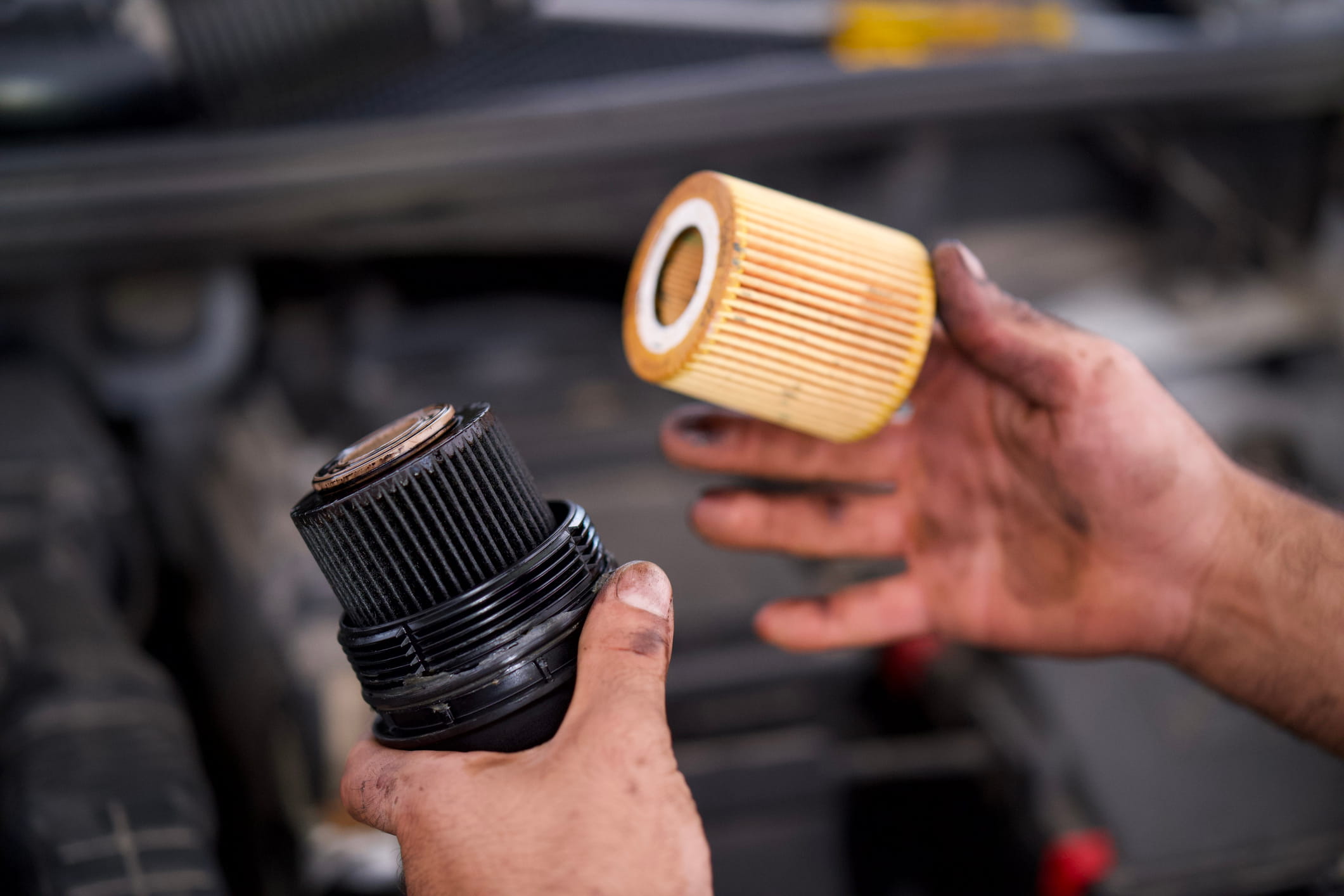
Your engine relies on clean oil to function properly. Every time your car runs, contaminants build up in your oil, and without proper filtration, these particles would grind down metal components and shorten your engine's life.
Your oil filter stands between those contaminants and expensive engine damage.
Understanding how your oil filter works helps you make smarter maintenance decisions. Christian Brothers Automotive is here to guide you on what oil filters do, when to replace them, how to spot problems, and why choosing the right filter matters for your vehicle's health.
What Does an Oil Filter Do?
An oil filter functions by extracting contaminants like soot, metal shavings, and carbon deposits from motor oil. As the oil pump circulates fluid through the synthetic fiber or cellulose media, it ensures clean lubrication reaches the engine block and vital internal combustion components.
The filter traps these contaminants while allowing clean oil to flow through and lubricate your engine's moving parts. Without this constant cleaning process, contaminated oil would accelerate wear on pistons, bearings, and other internal components.
Why Does a Clean Oil Filter Matter for Your Car and Engine?
Modern engines operate under intense heat and pressure, which breaks down oil and creates more particles to filter out. A functioning oil filter protects these precision-engineered components from abrasive damage.
When your filter clogs with debris, oil pressure drops and your engine doesn't receive adequate lubrication, leading to overheating and potential failure.
Choosing the Right Oil Filter
Your vehicle needs a filter sized and rated for its specific engine. Vehicle manufacturers specify which filters work with each model based on thread size, gasket dimensions, and filtration requirements. Using the correct part number ensures proper fit and adequate oil flow.
Guessing or substituting filters costs you more in the long run. An undersized filter restricts oil flow, while an incorrect gasket causes leaks. Our team references your vehicle's specifications to install the exact filter your engine needs, eliminating guesswork and protecting your investment.
Types of Oil Filters
Different vehicles need different filtration approaches based on engine design, oil type, and performance requirements.
Here's the most common types of oil filters:
- Full-Flow Filters: These handle all the oil your engine pump circulates. Full-flow filters balance filtration efficiency with oil flow rate, ensuring your engine receives adequate lubrication at all times. Most passenger vehicles use this type.
- High-Efficiency Filters: These use synthetic filter media to trap smaller particles than standard filters. High-efficiency options work well with synthetic oil and extended drain intervals, offering better protection for newer engines with tighter tolerances.
- Cartridge vs. Spin-On: Cartridge filters require you to replace only the filter element, keeping the metal housing on your engine. Spin-on filters come as complete units you swap out entirely. Your vehicle's design determines which type you need.
The right filter type depends on your manufacturer's specifications. Using the wrong filter reduces protection and potentially voids your warranty.
How Often Should Oil Filters Be Changed?
Replace your oil filter every time you change your oil. The two services go together because filters accumulate debris at the same rate oil degrades. Most vehicles need this service every 3,000 to 5,000 miles, though some newer models with synthetic oil stretch to 7,500 miles or more.
Following your owner's manual schedule prevents filter saturation. A saturated filter either restricts oil flow or allows dirty oil to bypass the filter entirely, defeating its purpose.
Our technicians replace your filter with every oil change service, matching the filter type to your specific vehicle requirements.
How Long Does an Oil Filter Last?
Most oil filters last between 3,000 and 5,000 miles when used with conventional motor oil under normal driving conditions. If you switch to synthetic oil, your oil filter typically matches the 7,500 to 10,000-mile interval facilitated by the extended-life additives in fully synthetic lubricants.
This range aligns with standard oil change intervals for most vehicles. If you use synthetic oil, your filter will last longer, typically matching the higher mileage intervals that high-performance oil allows.
What Affects Your Filter's Lifespan?
Several factors like frequent short trips, dusty conditions, stop-and-go traffic, and extreme temperatures accelerate the accumulation of contaminants in the filter media. Older engines with significant internal wear also generate more metal particles and sludge, reaching filter saturation faster than newer engines.
Your filter's capacity isn't infinite, so maintaining the manufacturer's recommended interval ensures you replace it before saturation occurs.
How Can You Tell if Your Oil Filter Is Bad?
Warning signs of filter failure often appear gradually. Here's what to watch for:
- Decreased Engine Performance: Your engine loses power or struggles during acceleration when oil flow becomes restricted. You'll notice sluggish response when you press the accelerator.
- Unusual Engine Noises: Tapping, knocking, or grinding sounds indicate inadequate lubrication. These noises often start quietly and grow louder as the problem worsens.
- Dirty Exhaust: Black or dark gray smoke from your tailpipe suggests oil burning in the combustion chamber. A failing filter lets contaminants damage seals and gaskets.
- Oil Pressure Warning Light: Your dashboard's oil pressure light signals that oil isn't circulating properly. This warning requires immediate attention to prevent engine damage.
Don't wait for these symptoms to appear. Regular filter replacement during scheduled oil changes prevents these problems from developing.
Keep Your Engine Protected with Christian Brothers Automotive
Your oil filter works constantly to keep your engine running smoothly. Understanding its function helps you appreciate why regular replacement matters. While filters themselves are inexpensive, the protection they provide is worth thousands in avoided repair costs.
We handle oil filter replacement as part of every oil change service at Christian Brothers Automotive. Our technicians match the right filter to your vehicle and dispose of your old filter responsibly. Schedule your next oil change with us, and we'll keep your engine protected with fresh oil and a new filter.
Find your local Christian Brothers Automotive and schedule your oil and filter change today!
[1].jpg "Four Common Services Offered at Auto Repair Centers")
[2].jpg "Make Sure You're Getting Quality Auto Parts")
sunwash-tech-with-customer.png "What is a Car Inspection?")