

What to Expect With a Brake Service
1. Schedule Your Appointment
Whether scheduling online or over the phone be sure and let us know what you're experiencing so we can provide fast and accurate service advice.
2. Diagnostics and Inspections
Drop off your vehicle and the shop will get to work with inspections and diagnostics using the same equipment as the manufacturers to determine issues and next steps.
3. Digital Vehicle Inspection Report and Estimate
Following the diagnosis we will text you a digital vehicle inspection report, containing pictures and videos of our findings and recommendations.
4. Review and Approval
A service advisor will reach out to walk you through the findings and recommendations to determine how you would like to proceed, or you can approve work directly in your DVI.
5. Work Performed or Scheduled
Most work can be completed immediately, or scheduled based on parts and customer availability.
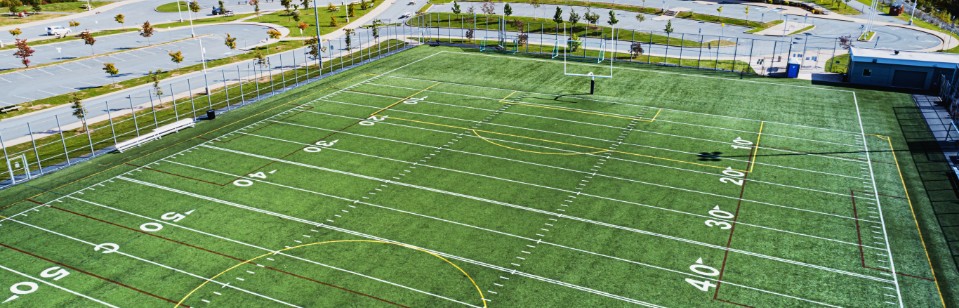
Did You Know: It takes up to three football fields to safely brake in the rain?

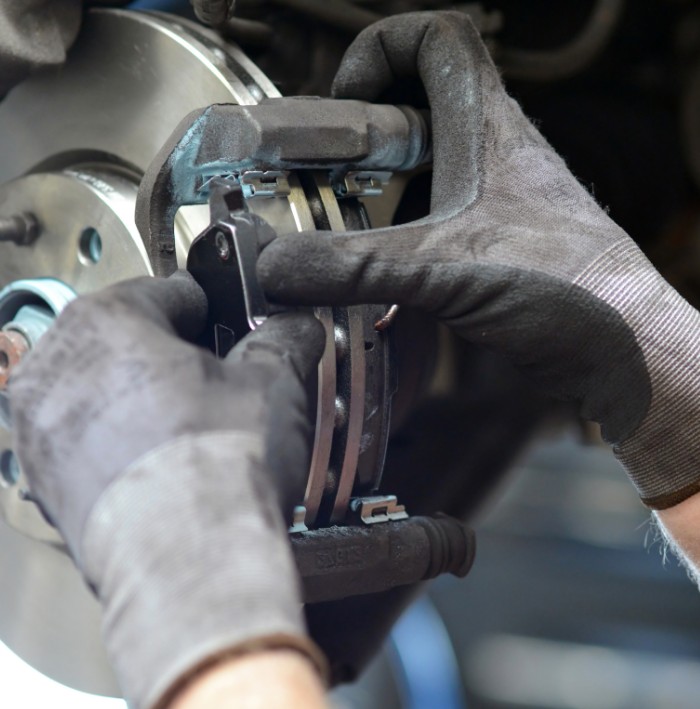
Comprehensive Brake Inspections
Our thorough brake inspection process identifies issues so your brakes function at their best. We look for small problems before they become major concerns, keeping your vehicle reliable and safe.
Our team closely examines your braking system for signs of corrosion from road salt, buildup from wet winter weather, and early rust on important parts. Seasonal factors like these often cause long-term problems if left unchecked. Drivers benefit from our detailed process, which helps prevent the common brake issues caused by local conditions.
Our brake inspection process includes:
- Visual Inspection: We examine brake pads, rotors, calipers, and brake lines for visible wear and damage, ensuring each part receives an accurate evaluation.
- Brake Fluid Check: We assess the condition and level of your brake fluid and may recommend a fluid change if needed to protect your braking efficiency and safety.
- Test Drive: A technician may drive your car to test braking performance under actual road conditions, checking that safety standards are met.
- Detailed Report: We give you a full report of our findings and help you review which repairs or replacements make sense for your needs. Our transparent approach supports confident decision-making.
The Importance of Regular Brake Maintenance
Regular brake maintenance is essential for ensuring the longevity and reliability of your braking system, which in turn enhances your safety, driving comfort, and even your car's fuel efficiency.
By scheduling routine inspections at Christian Brothers Automotive Avon, our team can address minor wear and tear promptly. This proactive approach is the best way to prevent more significant, costly problems down the line, ensuring your vehicle performs optimally and you maintain complete peace of mind on the road.
This regular maintenance is especially critical for drivers. The heavy road salt used on northern Ohio's roads during our harsh winters dramatically accelerates rust and corrosion on brake components, while humid summers can degrade your brake fluid.
Our technicians understand these local challenges and will tailor your maintenance schedule to account for these seasonal factors, maximizing your brake life and preventing unnecessary repairs caused by our unique climate.
Frequently Asked Questions
What Are the Common Causes of Brake Noise?
Brake noise is a frequent concern for many drivers and can signal various issues. Worn brake pads often produce squeaks when the friction material is low and the wear indicators touch the rotor.
Dust and debris can cause grinding sounds as they lodge between brake parts. Having your brakes inspected promptly can prevent extra damage. Our routine inspections uncover and address noise causes early.
How Often Should I Have My Brakes Inspected?
Regular brake inspections help you stay safe. Schedule one every six months or with each oil change. If you drive often in stop-and-go traffic or under tough conditions, you may need inspections more frequently.
Frequent assessments catch small issues before they grow into bigger, more expensive repairs, keeping your brakes in top shape year-round.
What Factors Affect Brake Pad Lifespan?
Brake pad life depends on your driving style, the environment, and the quality of your pads. Hard braking and steep hills shorten pad life, while high-quality pads last longer under stress.
In Avon Lake, salt from winter roads and humid summers can wear brake pads faster, so regular checks and quality replacements keep your brakes working well.
Why Is My Brake Pedal Soft?
A soft brake pedal can mean air in the lines or a fluid leak. Air bubbles or leaking fluid reduce hydraulic pressure, which weakens your stopping ability.
Leaky brake lines or worn seals need to be diagnosed and fixed right away. Keep an eye on your brake fluid levels to spot problems early and stay safe.
How Can Avon Lake's Weather Affect My Brake Performance?
Extreme temperatures in Avon Lake can affect your brakes. Hot summers thin brake fluid and lower responsiveness, while cold, wet winters promote rust and corrosion.
Road salt during winter speeds up brake wear and can cause early failure. Schedule regular maintenance, especially after heavy snow and freezing weather, to protect your brake system.
Call us now at (440) 762-7266 or use our easy online booking system to reserve your spot!
Your Local Christian Brothers Amenities
FAQs
-
Q. "Why is my ABS light on?"There are several reasons your vehicles anti-lock brake system light might be on. The four common reasons that typically cause this light to turn on include a malfunctioning ABS module, low levels in the fluid reservoir, broken wheel speed sensors, or the system is turned off. Learn more here.
-
Q. "How long will my brake pads last?"There is no perfect answer to this. Brake pads can last up to 70,000 miles while others will need to be replaced as early as 25,000 miles. The type of vehicle you drive, how you use your vehicle and your driving style are all factors to consider. If you are interested in learning more about brake pad wear and how to extend its lifespan click here.
-
Q. "When do I need to change my brake fluid?"Along with the type of brake fluid, your car’s owner manual will indicate how often you need your brake fluid flushed and replaced. In general, brake fluids flushes are recommended every 30,000 miles or two years. Click here to learn more.
-
Q. "Do you offer a warranty?"As part of our Nice difference.® commitment to providing our customers the best auto service experience possible, we also offer a3-year/36,000-mile warranty on all the work that we do. We offer this warranty at every Christian Brothers Automotive nationwide, and it will be honored at any location, regardless of which branch did the initial work.
-
Q. "What is a Digital Vehicle Inspection?"With a complimentary Digital Vehicle Inspection (DVI) on every visit, you’ll see firsthand photos of your vehicle from under the hood. We’ll let you know if everything is functioning properly or if there are any areas of concern. You can even approve or deny our service recommendations, all straight from your smartphone, or you can, of course, give us a call and we’ll explain our findings in further detail.
-
Q. "Can you provide service under my extended warranty?"Yes. At Christian Brothers Automotive, we work with all major extended warranty providers to make needed repairs for our customers. If you have an extended warranty, you can discuss your carrier with our team when scheduling an appointment and confirm that the work will be covered. You can find a partial list of the extended warranty companies we work with here.
Have more Questions?
Our friendly auto service experts have the answers.
Call your local Christian Brothers Automotive car shop today
Hear What Our Customers Had to Say About Us
-
"1) Picked up and dropped off at work jc rocked! Just saying.. :) 2). My type A personality worked just fine with these guys, they have the kind of professional PATIENCE i need. 3.) My car was assessed, quote was written up, sent via the awesome software th"
- v_csavina