

10 Signs of Bad Spark Plugs and How to Fix Them
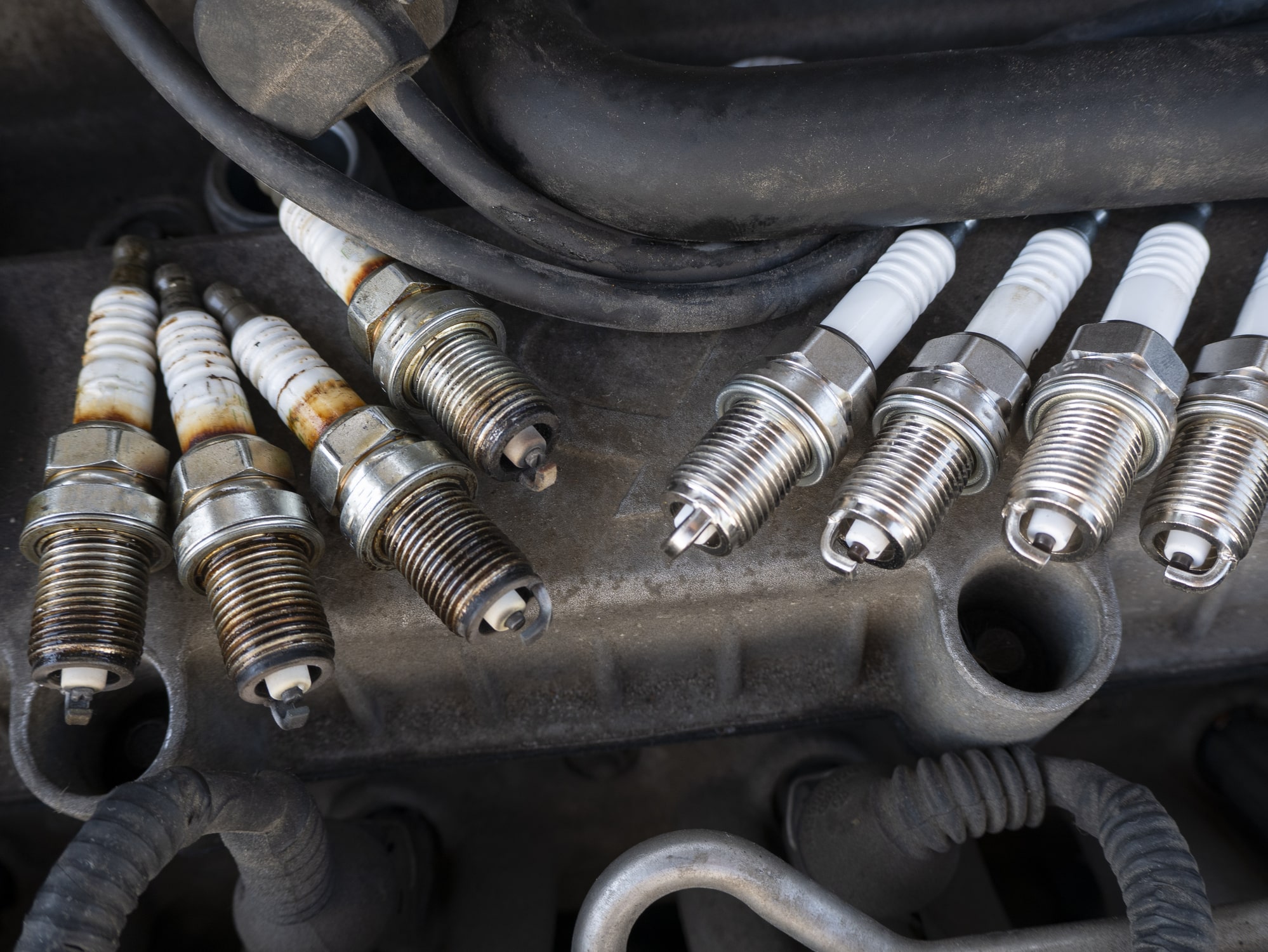
Your spark plugs may be small, but they play a big role in keeping your car running smoothly. These tiny components ignite the air-fuel mixture in your engine, creating the combustion needed to power your vehicle. But like any other car part, spark plugs don’t last forever.
Ignoring their maintenance can lead to a host of performance issues—and potentially leave you stranded at the worst possible moment.
If you're a car owner wondering whether your spark plugs might be the culprit behind your vehicle troubles, Christian Brothers Automotive is here to help. This guide will outline 10 signs of bad spark plugs, how they impact your car's performance, and why regular car maintenance is crucial.
Why Spark Plugs Matter
Auto spark plugs are vital to your engine's performance. Spark plugs:
- Ignite the engine's air-fuel mixture
- Ensure efficient fuel consumption
- Keep emissions under control
If ignored, worn or failing spark plugs can cause costly repairs. Recognizing the symptoms early can save you time, money, and frustration.
Symptoms of Bad Spark Plugs
1. Difficulty Starting the Engine
If your car struggles to start, it’s often a sign of faulty spark plugs. These little but essential components create the spark needed to ignite your engine’s air-fuel mixture. When they wear out, they fail to produce a strong spark, making starting your car frustrating and unreliable.
This issue doesn’t just waste time—it can also drain your battery trying to start your car multiple times. Ignoring this symptom could signal more widespread issues within your ignition system, so it’s best to address it promptly.
2. Poor Fuel Economy
Have you noticed a dramatic drop in how far your car can go on a tank of gas? Bad spark plugs could be to blame. They can cause incomplete combustion, meaning your engine doesn’t burn fuel as efficiently as it should.
This not only leads to higher fuel consumption but also unnecessary trips to the gas station. If your miles per gallon (MPG) are taking a dip without any changes in your driving habits, it might be time to check those spark plugs.
3. Engine Misfires
When your car starts to stutter or jerk while driving, it’s likely experiencing an engine misfire. This unsettling sensation occurs when spark plugs fail to consistently ignite the air-fuel mixture in the combustion chamber.
The result? Unburned fuel that disrupts the engine’s performance and can potentially damage critical internal components over time. Dealing with misfires quickly is essential to keep your engine running smoothly and avoid costly repairs.
4. Rough Idling
Have you noticed your car shaking or sounding unusually noisy while idling, like at a red light or stop sign? Bad spark plugs may be the culprit. When they fire inconsistently—or are dirty and worn—they interfere with the smooth combustion cycle your engine needs.
This leads to those rough vibrations and noises you’re hearing. Replacing or cleaning the spark plugs can usually bring back a steady, quiet idle.
5. Sluggish Acceleration
Does your car hesitate or take far too long to respond when you press the accelerator? Faulty spark plugs could be hindering your car’s ability to deliver the horsepower and torque you expect.
When they’re not functioning properly, your engine loses its responsiveness, making everyday tasks like merging onto a highway or overtaking slow and frustrating. Replacing spark plugs can restore that much-needed pep in your car’s step.
6. Check Engine Light
The dreaded check engine light has a funny way of striking fear into drivers. If this light pops up on your dashboard, bad spark plugs are one potential cause—especially when it’s linked to misfires or ignition problems.
Use a diagnostic tool to check for error codes, which can narrow down the source of the problem. Whether or not you’re handy with cars, scheduling a professional maintenance check-up is a smart way to confirm and address the issue.
7. Unusual Engine Noises
Strange knocking or rattling noises coming from your engine might be more than just an annoyance. They’re often a sign of worn-out spark plugs causing irregular combustion. When this happens, the stress on your engine increases, leading to premature wear and tear on its components.
Addressing these noises quickly can prevent further damage and keep your engine running quietly and efficiently.
8. Blackened or Sooty Spark Plug Appearance
Take a closer look at your spark plugs during routine maintenance—do they look blackened or covered in soot? This tells you they aren’t working as effectively as they should. Carbon buildup on spark plugs can disrupt ignition and lead to a host of performance issues.
While you’re at it, inspect the ignition coils and wires for any signs of trouble. A quick replacement of worn spark plugs can make a noticeable difference in performance.
9. Exhaust Smoke
If you’re seeing excessive black or gray smoke billowing from your exhaust, it may point to worn spark plugs. This happens when unburned fuel is expelled, creating visible emissions.
Not only does this hurt your car’s performance, but it also has a bigger environmental impact, increasing your vehicle’s carbon footprint. Replacing the spark plugs can help reduce emissions and improve fuel efficiency.
10. Decrease in Overall Performance
Sometimes, the symptoms are less obvious—your car just doesn’t feel like it’s performing the way it used to. You might notice slower acceleration, worse fuel economy, or a general lack of engine responsiveness.
These subtle signs often trace back to spark plug issues that compromise your car’s overall performance. Refreshing your spark plugs can make your car feel like new again and keep it running at its best.
How to Inspect and Replace Spark Plugs
Spark plugs can be checked easily with a few tools:
- Locate the Spark Plugs: Use your car manual to find the location.
- Remove Carefully: Use a spark plug socket to remove one.
- Check for Damage: Look for wear, soot buildup, or a discolored tip.
If any of these signs are present, it’s time for a replacement.
When to Replace Spark Plugs
Most spark plugs last between 20,000 and 100,000 miles, depending on your car's make and model. Consult your owner’s manual for specific recommendations. If you’ve noticed any of these symptoms, don’t wait to replace them—prompt action can save your engine.
Why Maintaining Spark Plugs Is Worth It
Good spark plug health benefits both your wallet and your safety. Here's how:
- Cost-Effectiveness: Replacing spark plugs is relatively inexpensive compared to the cost of major repairs.
- Improved Efficiency: Healthy spark plugs optimize fuel use and enhance performance.
- Environmental Impact: Proper combustion reduces harmful emissions and keeps your engine running cleaner.
Maintaining your spark plugs ensures a smoother, safer ride—and who doesn’t want that peace of mind?
Spot the Issues? Here’s Your Next Step.
Experiencing signs of faulty spark plugs? Schedule a spark plug inspection with Christian Brothers Automotive today. Our expert technicians are dedicated to keeping your car running smoothly, so you can enjoy a worry-free drive. We offer a range of engine services to keep your vehicle in top condition, including spark plug replacements.
Find your local Christian Brothers Automotive to book an appointment with our technicians!
[1].jpg "Four Common Services Offered at Auto Repair Centers")
[2].jpg "Make Sure You're Getting Quality Auto Parts")
sunwash-tech-with-customer.png "What is a Car Inspection?")