

What to Expect With a Cooling System Service
1. Schedule Your Appointment
Whether scheduling online or over the phone be sure and let us know what you're experiencing so we can provide fast and accurate service advice.
2. Diagnostics and Inspections
Drop off your vehicle and the shop will get to work with inspections and diagnostics using the same equipment as the manufacturers to determine issues and next steps.
3. Digital Vehicle Inspection Report and Estimate
Following the diagnosis we will text you a digital vehicle inspection report, containing pictures and videos of our findings and recommendations.
4. Review and Approval
A service advisor will reach out to walk you through the findings and recommendations to determine how you would like to proceed, or you can approve work directly in your DVI.
5. Work Performed or Scheduled
Most work can be completed immediately, or scheduled based on parts and customer availability.

Did You Know: It takes up to three football fields to safely brake in the rain?

The Importance of a Coolant Flush
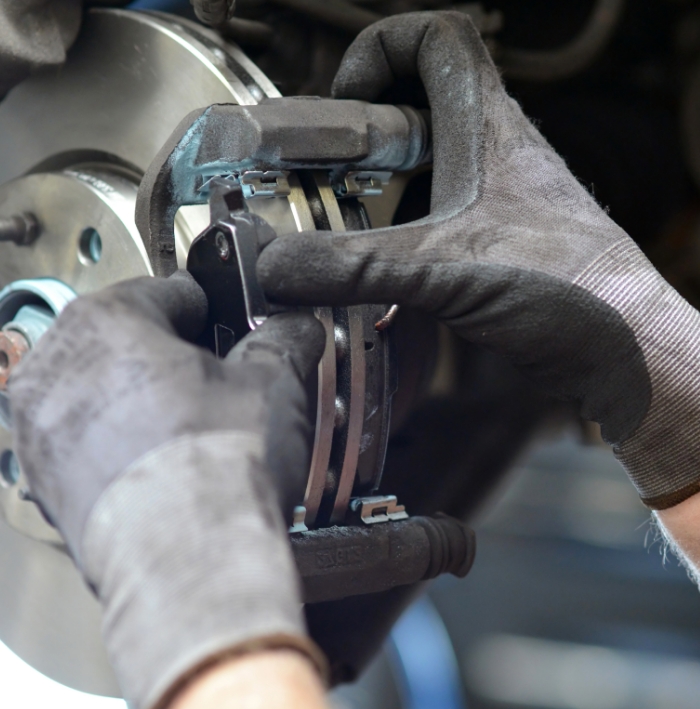
Over time, coolant additives break down, allowing rust and sludge to clog narrow engine passages. Simply topping off the fluid only dilutes the problem rather than solving it. A professional coolant flush completely cleanses the system, restoring its ability to regulate temperature effectively and preventing costly damage to your engine components.
For drivers in Centennial, facing summer heat and winter freezes requires a reliable cooling system. Our service goes beyond a simple exchange; we inspect hoses, caps, and fans. This proactive approach ensures your vehicle handles local temperature swings without overheating, keeping you safe on the road throughout the year.
This comprehensive service provides critical benefits for your vehicle:
- Removes Contaminants: A full flush evacuates old fluid and harmful deposits that clog the radiator and engine passages.
- Restores Efficiency: New coolant ensures optimal heat transfer, helping protect your engine against overheating during heavy use.
- Prevents Corrosion: Fresh additives actively stop rust and scale from forming on internal engine parts and seals.
- Extends Life: A clean system reduces wear on vital parts like the water pump, thermostat, and radiator.
While manufacturer recommendations vary, we typically suggest this service at regular intervals based on your driving habits. If you are unsure of your maintenance history, our team can inspect your fluid and recommend the right radiator repair or flush strategy. This ensures your vehicle remains reliable for every journey around Centennial.
Frequently Asked Questions
How often should I flush my coolant?
Most manufacturers recommend a flush every 30,000 to 50,000 miles, but this can vary based on your specific vehicle and driving habits. Regular flushing removes acidic contaminants that eat away at internal seals and metal parts.
Ignored fluid can turn into sludge, blocking flow and causing the engine to run hot. Consulting your owner's manual or asking our techs is the best way to determine the right schedule for your car.
Can I just add water to my radiator?
In an emergency, adding water can get you to a shop, but it is not a long-term solution. Water lacks the boiling point protection and anti-corrosion additives found in proper coolant mixtures.
Using only water can lead to internal rust and freezing during the winter months. We always recommend using the specific coolant mixture designed for your vehicle's engine block materials.
What causes a radiator to crack?
Plastic tanks on modern radiators can become brittle over time due to constant heating and cooling cycles. Vibrations from rough roads and high internal pressure can eventually cause these plastic parts to crack and leak.
Internal corrosion from old fluid can also weaken the metal core. Routine inspections help us spot these stress points before they turn into a major leak while you are driving.
Why is my car overheating in stop-and-go traffic?
This often points to an issue with the airflow through the radiator, such as a failing electric fan. When you are moving, wind cools the engine, but at idle, the fan must do the work.
It could also be a sign of a blockage or a weak water pump. Our diagnostic tools can pinpoint exactly why the heat isn't dissipating when the vehicle is stationary.
Is a coolant leak dangerous?
Yes, coolant leaks are hazardous to both your engine and the environment. A low fluid level allows air pockets to form, which can create hot spots that warp cylinder heads.
Additionally, the fluid is toxic to pets and wildlife. Addressing leaks immediately protects your engine from seizure and keeps the local environment safe from harmful chemicals.
Schedule Your Radiator Repair in Centennial Today
At Christian Brothers Automotive Littleton - Centennial, we are dedicated to providing the highest quality automotive care to our community. Our expertise in cooling systems ensures that your vehicle is prepared for the unique challenges of Colorado driving, from high-altitude climbs to seasonal temperature swings. We combine technical skill with a customer-first approach to deliver a service experience that is transparent, efficient, and reliable.
Don't wait for a warning light to turn into a breakdown. Protect your engine and your peace of mind by reaching out to our professionals today.
Schedule your appointment online or call (720) 605-3408 to arrange your visit.
Your Local Christian Brothers Amenities
FAQs
-
Q. "What happens if there is not enough coolant in my vehicle?"If you do not refill your coolant, this can harm your vehicle and lead to costly repairs. It can lead to issues such as engine damage, warning lights showing on your dashboard, and could even cut off your engine altogether. Click here to learn more about what happens to your vehicle when there is not enough coolant.
-
Q. "Does the cooling system affect my vehicle's A/C?"No, your vehicle's cooling system is an essential function that focuses on regulating the temperature of your engine. If your A/C is not properly working, this is not an issue with your car's cooling system and we recommend reaching out to your local Christian Brothers to have it properly diagnosed.
-
Q. "What is wrong with my vehicle's cooling system?"We typically see four common cooling system issues: water pump failure, leaky radiator hoses, radiator leaks, and thermostat failure.
-
Q. "Why is my cooling system so important?"The cooling system helps regulate your engine's temperature, which is why regular maintenance is important to protect your vehicle's engine.
-
Q. "Do you offer a warranty?"As part of our Nice difference.® commitment to providing our customers the best auto service experience possible, we also offer a 3-year/36,000-mile warranty on all the work that we do. We offer this warranty at every Christian Brothers Automotive nationwide, and it will be honored at any location, regardless of which branch did the initial work.
-
Q. "Can you provide service under my extended warranty?"Yes. At Christian Brothers Automotive, we work with all major extended warranty providers to make needed repairs for our customers. If you have an extended warranty, you can discuss your carrier with our team when scheduling an appointment and confirm that the work will be covered. You can find a partial list of the extended warranty companies we work with here.
Have more Questions?
Our friendly auto service experts have the answers.
Call your local Christian Brothers Automotive car shop today
Hear What Our Customers Had to Say About Us
-
"I liked the customer service and going above and beyond to make sure I was comfortable while waiting in the store for my vehicle work to be done, specifically being offered a nice hot coffee with creamer."
- J.L.