

What to Expect With a Tire Rotation
1. Schedule Your Appointment
Whether scheduling online or over the phone be sure and let us know what you're experiencing so we can provide fast and accurate service advice.
2. Diagnostics and Inspections
Drop off your vehicle and the shop will get to work with inspections and diagnostics using the same equipment as the manufacturers to determine issues and next steps.
3. Digital Vehicle Inspection Report and Estimate
Following the diagnosis we will text you a digital vehicle inspection report, containing pictures and videos of our findings and recommendations.
4. Review and Approval
A service advisor will reach out to walk you through the findings and recommendations to determine how you would like to proceed, or you can approve work directly in your DVI.
5. Work Performed or Scheduled
Most work can be completed immediately, or scheduled based on parts and customer availability.
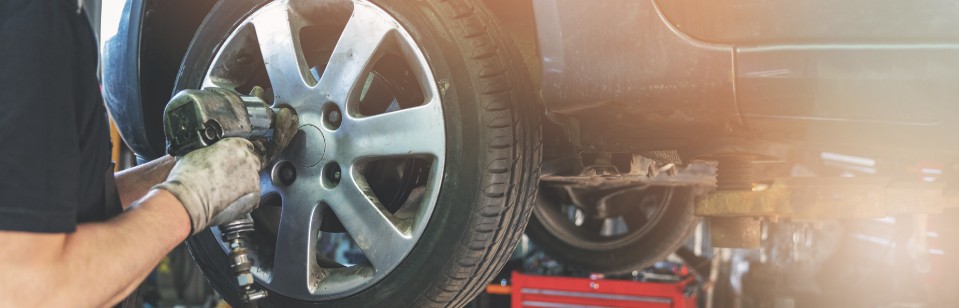
Did You Know: The tires on your car wear at immensely different rates. Therefore rotating them on a regular schedule is your best defense to prevent the need to replace them early. A general guide to follow is to have them rotated every 5,000 miles or so.

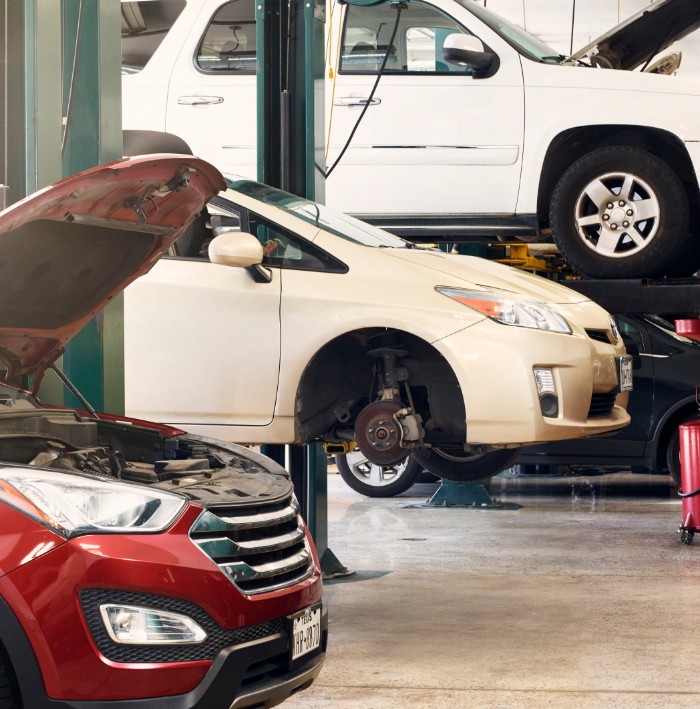
Signs You May Need Tire Replacement
Knowing when to replace your tires isn’t always obvious, especially if they haven’t gone completely flat. One of the clearest indicators is tread depth. When the grooves wear down to 2/32 of an inch or below, your ability to stop quickly and maintain traction on wet roads drops significantly. That threshold matters especially during the heavy afternoon storms common in Brandon and throughout this part of Florida, where wet-weather traction can be the difference between a controlled stop and a close call.
Common warning signs that your tires may be ready for replacement include:
- Low tread depth. Shallow grooves can’t safely channel water away from the contact patch, increasing stopping distance in the rain.
- Cracks or dry rot. Small cracks in the rubber often signal age, UV exposure, or heat degradation common in Florida’s climate.
- Sidewall bulges or bubbles. These raised areas indicate internal structural damage that can lead to a sudden blowout.
- Uneven wear. One side wearing faster than the other may point to an alignment or suspension issue, not just a tire problem.
If you’re unsure about your tires, our team can check tread depth, age markings, and overall condition during a quick inspection. We explain what we see and suggest a timeline for action, whether that means replacement soon or continued monitoring, without pressure to decide on the spot.
Frequently Asked Questions
How Do I Know if My Tire Can Be Repaired Instead of Replaced?
Whether a tire can be safely repaired depends on where the damage is and how severe it is. Punctures in the tread area within certain size limits are often good candidates for repair, while damage to the sidewall or shoulder usually is not. During a visit, our ASE-certified technicians remove the tire from the wheel, inspect both the inside and outside, and explain what they find. If replacement is the safer choice, we show you why and review tire options that fit your vehicle and driving habits. You stay in control of the decision with clear information instead of guesswork.
How Long Will Tire Repair or Replacement Usually Take?
The time needed depends on the condition of the tires and how many need attention. A straightforward repair on a single tire often takes less time than a full tire installation, which involves mounting, balancing, and final checks. When you arrive, our team gives you a time estimate based on what we see and our current schedule. If your day is busy, our complimentary shuttle services can often take you to nearby work, school, or home while we complete the service.
Can I Drive on My Tire if It Is Losing Air Slowly?
Driving on a tire that is losing air can be risky, even if the leak seems gradual. As pressure drops, the tire can overheat and the sidewalls can flex beyond their design limits, potentially causing further damage. You may also notice reduced control or longer stopping distances, particularly in the rain or during a sudden stop.
A slow air loss can stem from a puncture, a valve stem issue, or a wheel sealing problem, and each requires different handling. If you find yourself topping off the same tire frequently, it’s best to have it inspected before it goes completely flat. Addressing the problem early can help protect both the tire and the wheel and preserve more repair or replacement options.
What Happens During Tire Installation at Your Shop?
During tire installation in Brandon, we work through several steps to protect your wheels and support a long service life for your new tires. First, we confirm the correct size and load rating for your vehicle and remove the old tires from the wheels. Our technicians then mount the new tires using manufacturer-quality equipment that helps avoid damage to the wheel finish.
Next, we balance each wheel and tire assembly to help prevent vibration and uneven wear. We reinstall the wheels on your vehicle, torque the lug nuts to the proper specifications, and verify tire pressure. Before you leave, we perform a final walk-around and can answer any questions about tire rotation intervals and caring for your new tires on Brandon’s highways and local roads.
Do I Need an Appointment for Flat Tire Repair?
We encourage appointments when possible so we can plan enough time for your vehicle, but we understand that flats rarely happen on a schedule. If you’re dealing with a flat, call ahead so we can share current availability and help you decide the best way to get the vehicle to us. In many cases, we can work your tire into the day’s schedule as soon as it arrives.
Letting us know you’re on the way helps our team prepare a bay and any parts or tools we may need. Once you arrive, we inspect the tire and explain your options for repair or replacement. Our goal is to balance timely help with the thorough inspection that keeps you safe.
Will You Check My Other Tires When I Come in for One Problem?
Yes. When you visit us for one tire concern, we look over all four tires. It’s common for one visible problem to reveal other issues, such as uneven wear or low tread on a different wheel, and checking everything at once gives you a fuller picture of your vehicle’s condition.
We share what we find, note which items need attention soon and which can simply be monitored, and only perform work you’ve approved. This approach helps you plan ahead and reduces the chance of a surprise later.
What Kind of Warranty Do You Offer on Tire Services?
Eligible tire labor and workmanship at Christian Brothers Automotive Valrico is backed by the Nice Difference® Warranty: 3 years or 36,000 miles, whichever occurs last. This coverage applies to our labor and workmanship, not the tires themselves; tire manufacturers carry their own separate warranties. Our team explains exactly how the Nice Difference® Warranty applies to your visit when we review your invoice.
Schedule Your Tire Service Today
If you’re concerned about a flat, a slow leak, or tires that may be worn, our team is ready to help. We’ll check your tires, explain what we find, and help you choose between repair and replacement with clear information and no pressure. From simple flat tire repair to full tire installation, we focus on safety, transparency, and a visit that respects your time.
To schedule tire service or ask a question about your tires, contact us online or call (813) 761-3579.
Your Local Christian Brothers Amenities
FAQs
-
Q. "How often should you rotate your tires?"As a general rule of thumb, we recommend rotating your tires every 5,000 - 6,000 miles (although your driving style and vehicle types should also be taken into consideration). Rotating front and rear tires helps to ensure your tread wears down more evenly, optimizing your tire performance and extending its lifespan.
-
Q. "How do I tell if I need my tires rotated?"If you notice uneven wear across your tires or vibrations when driving, it may be time for a rotation.
-
Q. "How long should my tires last?"Your tire’s lifetime in mileage will depend on your maintenance and driving habits. Your tires could last up to 60,000 miles if you take good care of them, but this mileage will decrease if you don’t perform regular tire rotations.
-
Q. "How do tire rotations make my tires last longer?"Tire rotations help prevent uneven wear amongst your tires. Thus, improving the lifespan and preventing any handling issues from a worn-out tire.
-
Q. "What is a Digital Vehicle Inspection?"With a complimentary Digital Vehicle Inspection (DVI) on every visit, you’ll see firsthand photos of your vehicle from under the hood. We’ll let you know if everything is functioning properly or if there are any areas of concern. You can even approve or deny our service recommendations, all straight from your smartphone, or you can, of course, give us a call and we’ll explain our findings in further detail.
-
Q. "Do you offer a warranty?"As part of our Nice difference.® commitment to providing our customers the best auto service experience possible, we also offer a 3-year/36,000-mile warranty on all the work that we do. We offer this warranty at every Christian Brothers Automotive nationwide, and it will be honored at any location, regardless of which branch did the initial work.
Have more Questions?
Our friendly auto service experts have the answers.
Call your local Christian Brothers Automotive car shop today
Hear What Our Customers Had to Say About Us
-
"Paul C, is the man, when ever i have a service question about my vehicle i know who to call. He explains everything to me to help my understand my issue. he goes above and beyond helping me. Hard to find these days. Paul will always be my guy when i have q"
- Matt N