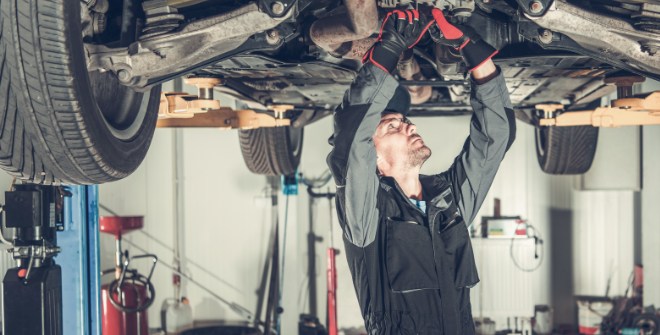
Fall Car Maintenance Checklist for Spring Drivers
Fall in Texas rarely means snow, but it does expose problems that summer heat, heavy rain, and long drives have been building for months. A fall maintenance checklist helps Spring drivers catch tire wear, weak batteries, cooling-system concerns, and visibility issues before school schedules, commutes, and road trips make them harder to ignore and harder to fix on short notice.
The right checklist starts with your owner’s manual and recent service records, not a blanket list of services. At Christian Brothers Automotive, our ASE-certified technicians use manufacturer-quality equipment and explain what they find in plain language, so you know which maintenance items are due, which conditions need prompt attention, and which checks can wait.
Why Fall Is the Right Time to Catch Summer’s Damage
Summer heat puts extra strain on parts responsible for managing temperature and electrical demand. Engine coolant works hard all season, the battery and charging system bake under a hot hood, and heavy air conditioning use can expose problems that mild weather never reveals. Worn tires, aging wipers, weak washer fluid spray, and dim lights can turn an ordinary wet commute into a visibility problem. For Spring, TX drivers, fall preparation isn’t about winterizing. It’s about confirming the vehicle is ready for changing weather, stop-and-go traffic, and longer drives.
Before scheduling anything, compare your mileage and service history against the manufacturer maintenance schedule. Dashboard warning lights, unusual noises, fluid loss, and changes in how the vehicle starts, stops, or handles should move to the top of the list regardless of when the last routine service occurred.
Check Tires, Brakes & Visibility First
Tires, brakes, and sightlines are what keep a driver out of trouble. Start with a walk-around in daylight, then address anything that could compromise traction, stopping distance, or visibility in rain and low light.
Start with these owner checks:
- Tire pressure and tread depth: Check pressure when tires are cold, using the figure on the driver’s door placard or owner’s manual. Not the number molded on the sidewall. Look for uneven wear, embedded objects, sidewall cracks, bulges, and low tread depth.
- Spare tire condition: Confirm the spare has adequate pressure and that the jack, lug wrench, and wheel lock key (if equipped) are present and accessible.
- Windshield wipers: Replace blades that streak, skip, chatter, or leave any part of the windshield uncleared. Refill washer fluid with a product suited to local conditions.
- Exterior lights: Test headlights, high beams, brake lights, turn signals, reverse lights, and hazard lights. Clean cloudy lenses if they noticeably reduce output.
Brake concerns deserve prompt evaluation, not a wait-and-see approach. Squealing or grinding, a vibrating pedal, pulling during braking, a soft pedal, reduced responsiveness, or a brake warning light all point to something that needs a look. A technician can inspect pads, rotors, fluid, calipers, hoses, and related components to find the source.
Inspect Fluids, Battery & Cooling System
Under-hood checks are useful, but they need to follow the manufacturer’s instructions. Some reservoirs are designed for owner inspection; others require specific procedures, temperature conditions, or equipment. Never remove a radiator cap or cooling-system cap on a hot engine.
Review these fluids carefully:
- Engine oil: Check the level using the procedure in your owner’s manual, and note whether you’re approaching the next oil change interval.
- Engine coolant: Check the level only when the engine is cool, using the specified coolant type. A low level, recurring loss, visible leak, overheating, or shifting temperature gauge calls for diagnosis, not repeated topping off.
- Brake fluid: Check the reservoir only as directed by your manual. A low level can signal pad wear or a leak, so it shouldn’t be treated as a routine refill without inspection.
- Transmission and power steering fluid: Check these only if the vehicle has accessible service points and the manual provides a safe procedure. Many newer vehicles have sealed or procedure-specific systems.
A battery can look fine and still struggle under load. Corrosion around the terminals, loose connections, slow cranking, repeated jump starts, dimming lights, or an illuminated battery warning light all warrant a professional battery and charging-system test. One that checks not just voltage, but whether the alternator is keeping up with demand.
Match Your Fall Checklist to the Manufacturer Schedule
A fall checklist should supplement the manufacturer maintenance schedule, not replace it. Intervals may be based on time, mileage, driving conditions, or a combination. A vehicle used for short trips, stop-and-go traffic, towing, or frequent long-distance travel may need certain services sooner than one driven lightly. Use this framework to set priorities:
Urgent Warning Signs
Address warning lights, overheating, brake symptoms, recurring starting trouble, active fluid leaks, tire damage, or a sudden change in handling right away. These conditions affect safety and can cause additional damage if left alone.
Due Maintenance
Schedule services identified by the owner’s manual, the maintenance reminder system, or your service records. This may include an oil service, tire rotation, filter replacement, spark plug replacement, or other mileage-based work.
Preventive Checks
Request an inspection of tire condition, brakes, battery health, cooling-system components, belts, hoses, and wipers when seasonal travel or changing weather is on the horizon.
Items That Can Wait
Cosmetic concerns and non-safety convenience issues can be scheduled later, as long as they aren’t tied to a warning light, a leak, a damaged component, or a manufacturer-required service.
What to Keep in the Car Before Fall Travel
A roadside kit won’t prevent a breakdown, but it makes an unexpected delay safer and less stressful. Keep supplies organized so they won’t become projectiles in a sudden stop, and replace expired first-aid items or depleted batteries as needed.
Useful roadside supplies include:
- Lighting and communication: A flashlight, extra batteries, a phone charger, and a portable power bank.
- Starting support: Jumper cables or a jump pack, plus the owner’s manual for safe jump-start instructions.
- Basic safety items: First-aid supplies, water, work gloves, reflective gear, and weather-appropriate clothing.
- Vehicle basics: A tire pressure gauge, basic tools, a properly inflated spare, and the equipment needed to change a tire.
Before a longer drive, do one final walk-around: check tires for visible damage, confirm the lights work, look under the vehicle for fresh leaks, adjust mirrors, clear the license plate, and make sure there’s enough fuel or charge for the route. If a warning light stays on, the engine overheats, braking feels off, or starting trouble keeps returning, stop troubleshooting and arrange an inspection.
This checklist helps you identify priorities, but it can’t replace maintenance guidance written for your specific vehicle or a proper inspection when symptoms are present. When you want clear answers about what your vehicle actually needs, our team at Christian Brothers Automotive can inspect the concern, explain the findings, and recommend service based on your vehicle’s condition. Reach us at
">.[1].jpg "Four Common Services Offered at Auto Repair Centers")
[2].jpg "Make Sure You're Getting Quality Auto Parts")
sunwash-tech-with-customer.png "What is a Car Inspection?")