

What to Expect With a Brake Service
1. Schedule Your Appointment
Whether scheduling online or over the phone be sure and let us know what you're experiencing so we can provide fast and accurate service advice.
2. Diagnostics and Inspections
Drop off your vehicle and the shop will get to work with inspections and diagnostics using the same equipment as the manufacturers to determine issues and next steps.
3. Digital Vehicle Inspection Report and Estimate
Following the diagnosis we will text you a digital vehicle inspection report, containing pictures and videos of our findings and recommendations.
4. Review and Approval
A service advisor will reach out to walk you through the findings and recommendations to determine how you would like to proceed, or you can approve work directly in your DVI.
5. Work Performed or Scheduled
Most work can be completed immediately, or scheduled based on parts and customer availability.

Did You Know: It takes up to three football fields to safely brake in the rain?

Extending Brake Life & Performance
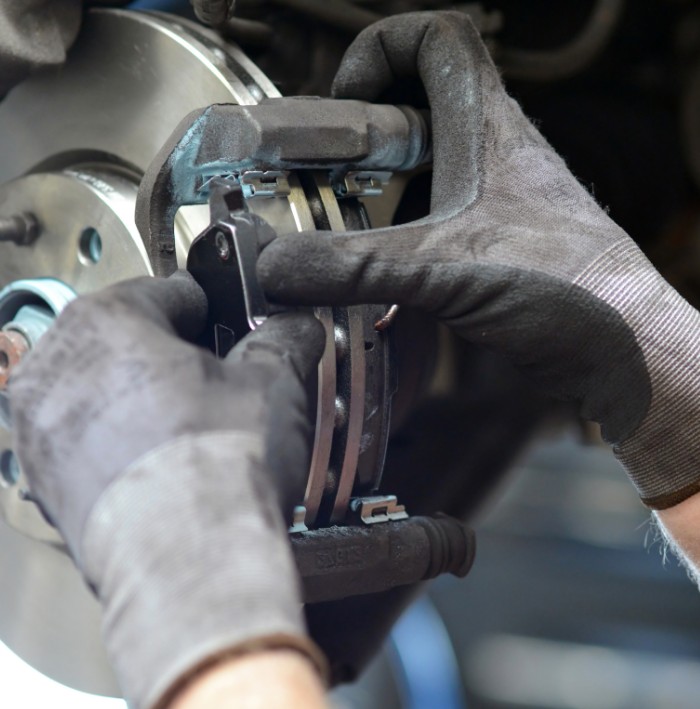
Maintaining your braking system is crucial for safety and longevity. Simple, proactive habits can significantly extend the life of your brake pads and rotors while preventing major failures.
Since your car's brakes are its primary safety feature, following a few key maintenance tips helps ensure dependable, smooth performance on every drive.
Our technicians recommend the following practices to maximize your brake system's lifespan and performance:
- Address Issues Promptly: Seek a professional check immediately upon noticing any brake noise or change in stopping performance.
- Prioritize Fluid Replacement: Follow your vehicle manufacturer's recommendations for timely brake fluid replacement to protect against corrosion and system failure.
- Use Engine Braking: Use engine braking (downshifting) when possible, especially during downhill drives or in traffic, to reduce friction and heat generated in the brake pads and rotors.
- Drive Consciously: Minimize aggressive driving, sudden stops, and excessive vehicle loading to mitigate unnecessary wear and tear.
- Monitor Tires: Ensure that your tires are properly inflated, as under-inflated tires can significantly affect braking efficiency.
Frequently Asked Questions
How Often Should I Have My Brakes Inspected?
It is recommended that you have your brakes inspected at least once a year. However, given the unique driving conditions in Spring, TX, which include frequent rain and traffic congestion, you might want to schedule inspections more frequently. Regular checks help ensure your braking system functions properly, and any early signs of wear and tear are addressed promptly, saving you from more expensive repairs down the road.
What Are the Consequences of Not Receiving Brake Service in Spring?
Ignoring or delaying these services can lead to a myriad of problems. One common issue is reduced braking efficiency, which can dramatically increase your stopping distance. This is particularly dangerous in wet or icy conditions, where the ability to stop quickly is often crucial.
Additionally, neglecting brake service can lead to damage to other components of your car, like the axles and tires, leading to more costly repairs down the line. Regular brake maintenance minimizes these risks, offering peace of mind on all your journeys in Spring and beyond.
What Should I Do If I Hear a Squeaking Noise When Braking?
A squeaking noise is often a signal from the brake pad wear indicators, suggesting that the brake pads may need to be replaced. Prolonged noise can lead to more extensive damage requiring the replacement of other components, like more costly rotors. Bringing your vehicle in for an inspection as soon as you hear these sounds can help catch issues early and keep repair costs minimal.
How Can I Tell If My Brake Fluid Needs Replacing?
The condition of your brake fluid can affect your car’s braking efficiency significantly. Contaminated or low brake fluid can lead to a spongy brake pedal feeling or reduced braking power. Have your brake fluid checked during regular service appointments, and replace it based on the manufacturer’s recommendation or if you notice any changes in brake pedal responsiveness.
Why Does My Car Vibrate When I Brake?
Brake vibrations are usually caused by warped rotors. This can occur from prolonged stress or heat, which is common in stop-and-go traffic often found in the Spring. Warped rotors lead to uneven contact with the brake pads, causing vibrations. It’s crucial to address this promptly to avoid further damage to your braking system. Our detailed inspections can determine the best course of action to rectify this issue, ensuring smooth and safe braking.
Are There Actions I Can Take to Extend the Lifespan of My Brakes?
Yes, adopting mindful driving habits can significantly extend the life of your brakes. Avoiding excessive load and heavy braking, maintaining a safe distance in traffic to minimize abrupt stopping, and adhering to regular maintenance schedules are essential practices. Your driving habits, coupled with our professional brake replacement service, will keep your vehicle’s braking system reliable longer.
For professional brake service in Spring, TX, you can rely on us to keep your vehicle safe.
Call us at (346) 489-5977 or schedule an appointment online.
Your Local Christian Brothers Amenities
FAQs
-
Q. "Why is my ABS light on?"There are several reasons your vehicles anti-lock brake system light might be on. The four common reasons that typically cause this light to turn on include a malfunctioning ABS module, low levels in the fluid reservoir, broken wheel speed sensors, or the system is turned off. Learn more here.
-
Q. "How long will my brake pads last?"There is no perfect answer to this. Brake pads can last up to 70,000 miles while others will need to be replaced as early as 25,000 miles. The type of vehicle you drive, how you use your vehicle and your driving style are all factors to consider. If you are interested in learning more about brake pad wear and how to extend its lifespan click here.
-
Q. "When do I need to change my brake fluid?"Along with the type of brake fluid, your car’s owner manual will indicate how often you need your brake fluid flushed and replaced. In general, brake fluids flushes are recommended every 30,000 miles or two years. Click here to learn more.
-
Q. "Do you offer a warranty?"As part of our Nice difference.® commitment to providing our customers the best auto service experience possible, we also offer a3-year/36,000-mile warranty on all the work that we do. We offer this warranty at every Christian Brothers Automotive nationwide, and it will be honored at any location, regardless of which branch did the initial work.
-
Q. "What is a Digital Vehicle Inspection?"With a complimentary Digital Vehicle Inspection (DVI) on every visit, you’ll see firsthand photos of your vehicle from under the hood. We’ll let you know if everything is functioning properly or if there are any areas of concern. You can even approve or deny our service recommendations, all straight from your smartphone, or you can, of course, give us a call and we’ll explain our findings in further detail.
-
Q. "Can you provide service under my extended warranty?"Yes. At Christian Brothers Automotive, we work with all major extended warranty providers to make needed repairs for our customers. If you have an extended warranty, you can discuss your carrier with our team when scheduling an appointment and confirm that the work will be covered. You can find a partial list of the extended warranty companies we work with here.
Have more Questions?
Our friendly auto service experts have the answers.
Call your local Christian Brothers Automotive car shop today
Hear What Our Customers Had to Say About Us
-
"I liked the customer service and going above and beyond to make sure I was comfortable while waiting in the store for my vehicle work to be done, specifically being offered a nice hot coffee with creamer."
- J.L.