5 Signs Your Car May Have a Bad Wheel Bearing
Key Takeaways:
- Wheel bearing problems start small, with a faint hum or slight vibration, and get worse until surrounding components are damaged.
- The most telling sign is a grinding or humming noise that shifts in pitch when you turn, not just when you accelerate.
- A lit ABS warning light can point to a worn bearing, not just an electrical problem, because the wheel speed sensor sits right next to it.
- Driving on a bad bearing long enough leads to lost steering stability and, in severe cases, wheel lock-up or separation.
- If you feel vibration through the wheel or notice a change in steering response, stop driving and, bring your car into your local auto repair shop.
Wheel bearing problems have a way of sneaking up on you.
What starts as a faint hum at highway speeds or a slight vibration through the steering wheel gets worse each week until the problem becomes impossible to ignore.
By the time most drivers take action, the bearing has already caused additional wear on surrounding components.
If something feels or sounds off while you're driving, this guide will help you understand what's going on and when to get it checked. Christian Brothers Automotive has seen this problem before. We’re here to help you prevent major damage to your vehicle.
What Is a Wheel Bearing?
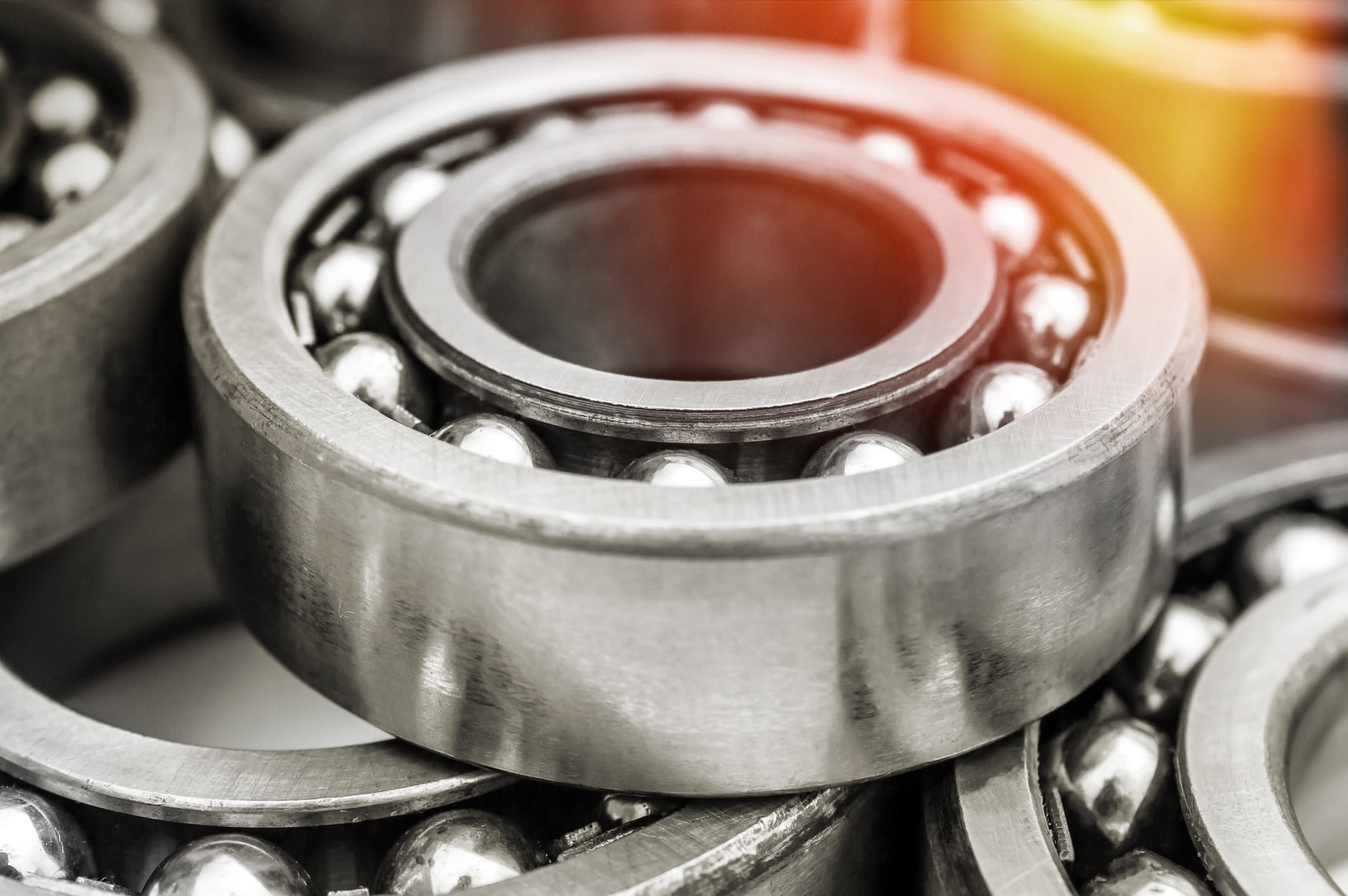
A wheel bearing is a set of steel balls or rollers housed inside a metal ring, called a race, that sits inside your wheel hub. Its job is to let your wheel spin smoothly with as little friction as possible while carrying the weight of your vehicle.
Because wheel bearings live at the contact point between a spinning wheel and a stationary axle, they take constant abuse. Heat, road debris, water, and everyday driving wear all work against them over time. When the bearing starts to fail, you'll notice it in the way your car sounds, feels, and handles.
5 Signs Your Wheel Bearing Is Going Bad
1. A Grinding or Humming Noise That Changes With Speed
This is the most common sign of a failing wheel bearing. You'll hear a low growl or hum at lower speeds, often shifting to a grinding tone as you accelerate. The sound typically gets louder when you turn, and here's why: turning shifts your vehicle's weight onto the bearing, increasing the load on an already worn component.
If you notice the noise intensifying through a corner, take it seriously.
2. Vibration Through the Steering Wheel
A worn bearing creates play inside the wheel hub, and that movement travels up through the steering column as vibration. Most drivers notice it most at speeds between 40 and 60 mph.
If the vibration seems to ease at higher speeds, a wheel bearing is a likely cause worth ruling out.
3. Loose or Unresponsive Steering
When a bearing wears down enough to allow movement in the hub, your steering can start to feel slightly vague or slow to respond, especially through curves. This is separate from an alignment issue or power steering concern, both of which affect steering in different ways.
Loose steering with accompanying noise points more directly to bearing wear.
4. Uneven Tire Wear
A worn bearing allows the wheel to shift slightly in the hub, which throws off the wheel's angle and creates uneven contact with the road. You'll often see feathering or cupping on the tire, wear patterns that look irregular across the tread.
This is one reason why regular tire rotations matter. A technician inspecting your tires is often the first to catch bearing play before you've noticed any other symptoms.
5. The ABS Warning Light Comes On
This one surprises most drivers. The wheel speed sensor sits close to the bearing and relies on consistent, accurate signals to tell your ABS system how fast each wheel is turning.
When a bearing gets loose or worn, it disrupts those signals and triggers the ABS warning light. A light on the dash doesn't always mean an electrical problem. In this case, the source is mechanical, and it's at the wheel.
What Does a Bad Wheel Bearing Sound Like?
A failing wheel bearing makes a low droning or growling noise that gets louder as your speed increases. The sound is often compared to a distant propeller plane or the hum of driving over a rumble strip that never stops.
It Changes with Your Speed
The faster you drive, the louder and higher-pitched the noise gets. At low speeds, it may be faint enough to dismiss. At highway speeds, it becomes hard to ignore. This speed-dependent pattern is one of the clearest signs the noise is coming from a wheel bearing and not somewhere else.
It Shifts Through Turns
Tire noise stays steady when you turn. Wheel bearing noise does not. When you turn, weight transfers to one side of the vehicle and puts more pressure on the bearing in that direction. A worn bearing amplifies under that load, so the noise gets louder or softer depending on which way you steer.
How to Identify Which Bearing Is Failing
Turn right at moderate speed and listen. If the noise gets louder, the left front bearing is likely the source. If turning left makes it louder, the right front bearing is probably worn. The bearing carrying more weight through the turn is the one making the noise.
Other Sounds a Bad Wheel Bearing Can Make
- Clicking or snapping, especially through turns at lower speeds
- Grinding when the bearing has worn far enough to affect the hub
- Wobbling or vibration felt through the steering wheel, which points to significant wear
Is It Safe to Drive With a Bad Wheel Bearing?
No, not for long. A bearing noise starts as an inconvenience and progresses into a safety problem. As the bearing wears further, you'll lose steering stability and predictable handling. In severe cases, a completely failed bearing can lead to wheel lock-up or, in rare cases, wheel separation.
If the noise is mild and you haven't noticed vibration or steering changes, drive directly to a shop and stay off the highway. If you're already feeling vibration through the wheel or your steering response has changed, stop driving and call for service. The cost of a tow is far less than the cost of the damage a failed bearing leaves behind.
What to Expect From Wheel Bearing Replacement
Wheel bearing replacement is typically a single-wheel repair. In most cases, you won't need all four replaced at once, though a technician will check the others for wear while the vehicle is on the lift.
When you bring your car to Christian Brothers Automotive, we’ll inspect your drivetrain. A bearing issue often surfaces alongside other wear items, like brake components or suspension parts, and knowing the full picture helps you make informed decisions about how to get you back on the road safely.
If something sounds or feels off, don't wait to get it looked at. Find your nearest Christian Brothers Automotive location and schedule an appointment today.
[1].jpg "Four Common Services Offered at Auto Repair Centers")
[2].jpg "Make Sure You're Getting Quality Auto Parts")