

What to Expect With a Brake Service
1. Schedule Your Appointment
Whether scheduling online or over the phone be sure and let us know what you're experiencing so we can provide fast and accurate service advice.
2. Diagnostics and Inspections
Drop off your vehicle and the shop will get to work with inspections and diagnostics using the same equipment as the manufacturers to determine issues and next steps.
3. Digital Vehicle Inspection Report and Estimate
Following the diagnosis we will text you a digital vehicle inspection report, containing pictures and videos of our findings and recommendations.
4. Review and Approval
A service advisor will reach out to walk you through the findings and recommendations to determine how you would like to proceed, or you can approve work directly in your DVI.
5. Work Performed or Scheduled
Most work can be completed immediately, or scheduled based on parts and customer availability.

Did You Know: It takes up to three football fields to safely brake in the rain?

Signs You May Need Brake Service
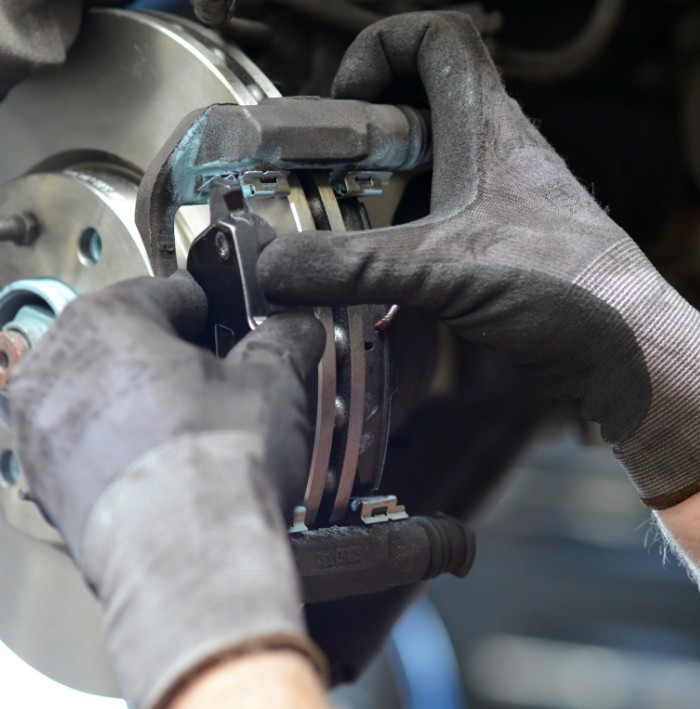
Your vehicle will usually tell you when something is wrong with your brakes. The key is knowing what to listen and feel for. Catching these warning signs early is the most reliable way to help prevent a more serious repair and stay safe on the road. If you notice any of the following while driving in San Antonio, it’s time to schedule a professional brake inspection.
Common signs your brakes need attention:
- Squeaking or Squealing Noises: Wear indicators on your brake pads are designed to contact the rotor when pads run low, producing a distinctive squeal as a built-in warning.
- A “Spongy” or Soft Brake Pedal: This typically points to air or moisture in the brake system, which compromises hydraulic pressure and softens pedal response.
- Pulling to One Side When You Brake: Uneven pad wear or a sticking caliper can cause the vehicle to drift left or right under braking.
- Vibration or Wobble During Braking: Warped rotors are a common cause, particularly after repeated hard stops that overheat the rotor surface.
- Grinding When You Brake: Grinding usually means the pads are fully worn and metal is contacting the rotor directly. This is urgent. Rotor damage can escalate quickly once it starts.
Worn or damaged friction components can’t properly disperse heat or slow your vehicle, which can lead to longer stopping distances on top of the noises and vibrations. San Antonio’s dense traffic and summer heat can cause these symptoms to appear sooner than they would in easier driving environments. A comprehensive brake examination covers fluid leaks, brake lines and hoses, and caliper condition, giving you a full picture of where your system stands. Scheduling a brake repair in San Antonio early means addressing a worn pad before it becomes a rotor replacement.
FAQs About Brake Services
How Often Should I Replace My Brake Pads in San Antonio?
Replacement frequency depends on your driving habits, your vehicle’s weight, and local conditions. Brake pads are typically checked somewhere between 20,000 and 50,000 miles, but San Antonio’s frequent stop-and-go city driving can push wear toward the lower end of that range. Regular inspections are a reliable way to know where your pads actually stand rather than guessing by mileage alone.
What Affects the Cost of Brake Repair Services in San Antonio?
Several factors influence cost: the type of brake pads you choose, the condition of your rotors, and whether additional services such as brake fluid replacement or caliper repairs are needed. At Christian Brothers Automotive Alamo Heights, we provide transparent pricing based on a thorough inspection before any work is quoted, so you know exactly what you’re paying for and why.
What Are Common Signs That My Brakes Need Attention?
The most common indicators are grinding or squealing when you apply the brakes, the vehicle pulling to one side, and vibration or pulsation through the pedal. San Antonio’s traffic density and heat put added stress on braking systems, which means these signs can appear sooner than drivers expect. Addressing them early can keep a manageable repair from turning into a more serious one.
Is It Safe to Drive with Worn-Out Brake Pads in San Antonio?
It isn’t. Worn pads significantly increase stopping distance and can score rotors, turning a straightforward pad replacement into a costlier rotor job. In a city like San Antonio, where sudden stops are a regular part of driving, fully functional brakes aren’t optional. Timely brake repair in San Antonio at Christian Brothers Automotive Alamo Heights can help you avoid both the safety risk and the higher repair bill that comes with waiting too long.
Why Is Regular Brake Maintenance Important in San Antonio?
Regular maintenance keeps your braking system reliable and extends the lifespan of pads, rotors, and calipers. It means checking pad thickness, rotor condition, caliper function, and fluid levels on a consistent schedule. For San Antonio drivers, that schedule matters more than average: summer heat, rolling terrain, and urban traffic density all accelerate wear faster than lighter-use environments. Staying current on maintenance reduces the chance of sudden brake failure and helps keep repair costs more predictable over time.
Your Local Christian Brothers Amenities
FAQs
-
Q. "Why is my ABS light on?"There are several reasons your vehicles anti-lock brake system light might be on. The four common reasons that typically cause this light to turn on include a malfunctioning ABS module, low levels in the fluid reservoir, broken wheel speed sensors, or the system is turned off. Learn more here.
-
Q. "How long will my brake pads last?"There is no perfect answer to this. Brake pads can last up to 70,000 miles while others will need to be replaced as early as 25,000 miles. The type of vehicle you drive, how you use your vehicle and your driving style are all factors to consider. If you are interested in learning more about brake pad wear and how to extend its lifespan click here.
-
Q. "When do I need to change my brake fluid?"Along with the type of brake fluid, your car’s owner manual will indicate how often you need your brake fluid flushed and replaced. In general, brake fluids flushes are recommended every 30,000 miles or two years. Click here to learn more.
-
Q. "Do you offer a warranty?"As part of our Nice difference.® commitment to providing our customers the best auto service experience possible, we also offer a3-year/36,000-mile warranty on all the work that we do. We offer this warranty at every Christian Brothers Automotive nationwide, and it will be honored at any location, regardless of which branch did the initial work.
-
Q. "What is a Digital Vehicle Inspection?"With a complimentary Digital Vehicle Inspection (DVI) on every visit, you’ll see firsthand photos of your vehicle from under the hood. We’ll let you know if everything is functioning properly or if there are any areas of concern. You can even approve or deny our service recommendations, all straight from your smartphone, or you can, of course, give us a call and we’ll explain our findings in further detail.
-
Q. "Can you provide service under my extended warranty?"Yes. At Christian Brothers Automotive, we work with all major extended warranty providers to make needed repairs for our customers. If you have an extended warranty, you can discuss your carrier with our team when scheduling an appointment and confirm that the work will be covered. You can find a partial list of the extended warranty companies we work with here.
Have more Questions?
Our friendly auto service experts have the answers.
Call your local Christian Brothers Automotive car shop today
Hear What Our Customers Had to Say About Us
-
"Eric and the guys (and gals) at the alamo heights location were awesome!!!! Eric was able to come in under his oRiginal quote and on time! The vehicLe was Repaired correctly the first time and everyone at the shop, from the receptionist in the front, to Th"
- Hollywood808