How to Know When Your Shocks or Struts Are Worn — Especially on Front Range Roads
Unlike brakes or tires, suspension wear usually happens gradually. Many drivers across Longmont and the Front Range adapt to the changing ride without realizing vehicle stability and safety may be declining.
Shocks and struts do far more than affect comfort — they help maintain tire contact with the road, control braking stability, and support confident handling during sudden maneuvers.
Here are the most common signs they may need attention.
1️) Excessive Bouncing After Bumps
If your vehicle continues to bounce after hitting a dip, pothole, or rough pavement, the suspension may no longer be controlling the motion effectively.
Healthy shocks stabilize the vehicle quickly.
Worn shocks allow prolonged movement, which can reduce control during emergency situations.
This is particularly noticeable on Front Range roads, where freeze–thaw cycles create uneven surfaces throughout the year.
2️) Nose Diving When Braking
Worn struts can cause the front of the vehicle to dip excessively when slowing down.
This affects:
- Braking stability
- Weight distribution
- Driver confidence
- Passenger comfort
For families transporting children or loved ones, stability during sudden stops is especially important.
3️) Uneven or Rapid Tire Wear
Suspension problems often show up in your tires before they’re felt in the seat.
Poor damping allows tires to lose consistent contact with the road, leading to premature or uneven wear.
Replacing tires without addressing worn suspension can result in the same problem returning — increasing long-term ownership costs.
4️) Floating or Unstable Feeling at Highway Speeds
Many drivers describe worn suspension as:
- “Loose” steering feel
- Excessive body sway
- Sensitivity to crosswinds
- Reduced confidence during lane changes
This can become noticeable during trips between Longmont, Boulder, and Denver, where highway speeds magnify stability issues.
5️) Visible Fluid Leakage
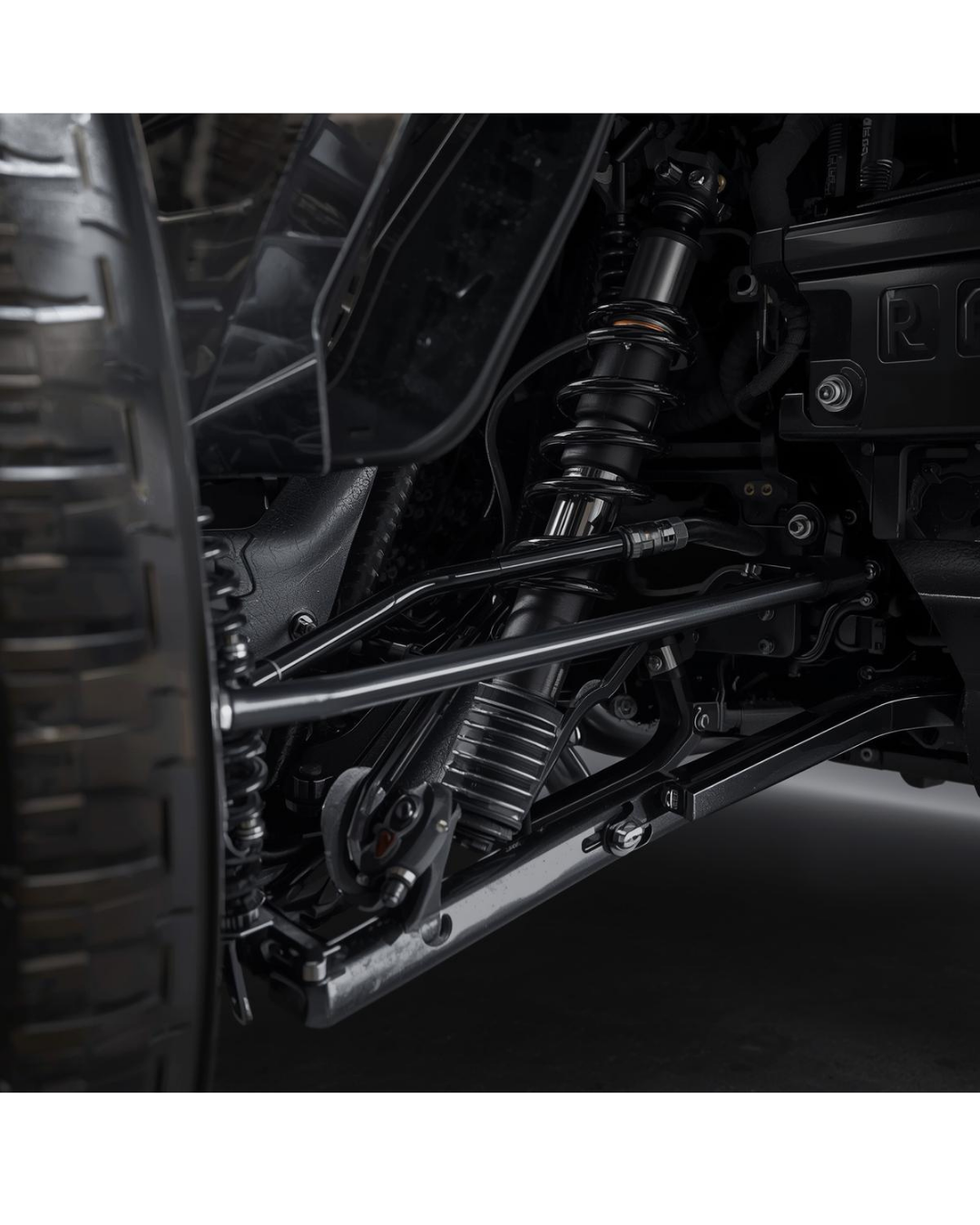
Most shocks and struts are hydraulic. If fluid leaks out, the component can no longer control motion effectively.
Leakage is a clear sign that replacement may be needed.
Why Colorado Conditions Accelerate Suspension Wear
Vehicles driven along the Front Range experience stresses that many other regions don’t:
- Potholes from winter freeze–thaw cycles
- Rough pavement and expansion joints
- Elevation-related braking demands
- Sudden temperature swings
These factors can shorten suspension lifespan compared to milder climates.
Why Early Inspection Matters
Suspension wear is rarely an emergency — but waiting too long can lead to:
- Reduced braking effectiveness
- Increased tire costs
- Alignment issues
- Driver fatigue on long trips
An inspection provides clarity so service can be planned rather than rushed.
At Christian Brothers Automotive Longmont, our ASE-certified technicians evaluate suspension condition as part of a comprehensive inspection and explain how it affects safety, ride quality, and long-term ownership costs.
If service is needed, many guests appreciate the convenience of our courtesy shuttle so their day isn’t disrupted.
A Family-Safe Approach to Vehicle Decisions
Every household uses their vehicle differently. Some prioritize ride comfort, others safety margins for young drivers, long commutes, or road trips.
Our role isn’t to pressure repairs — it’s to help you understand:
- What is safe now
- What may worsen over time
- How it affects your family’s driving needs
- When replacement makes the most sense
That way, you can make a confident decision that aligns with your priorities.
The Bottom Line
Worn shocks and struts don’t just affect comfort — they influence stability, braking performance, tire life, and overall confidence behind the wheel.
For Longmont-area drivers, understanding suspension condition is part of protecting both your vehicle and the people who rely on it.
At Christian Brothers Automotive Longmont, we believe clear explanations and long-term thinking lead to better decisions — and stronger relationships within the community we serve.
[1].jpg "Four Common Services Offered at Auto Repair Centers")
[2].jpg "Make Sure You're Getting Quality Auto Parts")
sunwash-tech-with-customer.png "What is a Car Inspection?")