When It Makes Sense to Repair a Car — And When It Doesn’t
One of the hardest decisions vehicle owners face isn’t what to fix — it’s whether fixing the car makes sense at all. And too often, people feel like they’re being sold a repair when what they really need is honest guidance.
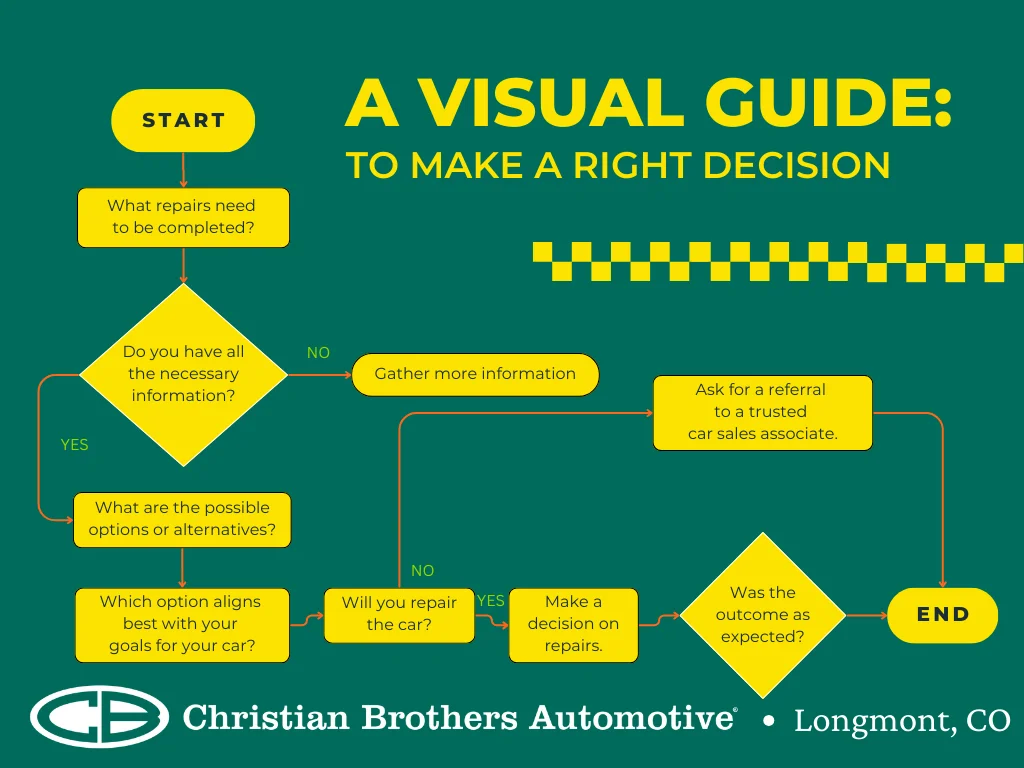
Here’s how to think clearly about the repair-versus-replace decision.
1. Safety Always Comes First
If a vehicle has issues that compromise:
- Braking
- Steering
- Structural integrity
Those are non-negotiable conversations. Safety repairs aren’t about squeezing value out of a car — they’re about protecting lives.
2. The “Cost vs. Value” Question
A common fear is:
“Am I throwing good money after bad?”
The better question is:
- What will this repair give me?
- How much additional time or reliability does it buy?
- Is that cost less than replacing the vehicle?
Often, repairing a paid-off car is far more economical than taking on a new payment.
3. Reliability Patterns Matter More Than Age
Vehicle age alone isn’t the deciding factor. What matters more:
- Maintenance history
- Frequency of breakdowns
- Overall condition
A well-maintained older vehicle can be a smarter financial choice than a newer one with unknown issues.
4. When Replacing the Vehicle May Be the Better Choice
There are times when honesty means saying:
- The vehicle is becoming unpredictable
- Repairs are stacking without improving reliability
- Safety concerns are recurring
An ethical shop should be willing to say when repairs may no longer make sense.
5. What an Honest Repair Conversation Feels Like
You should leave the conversation:
- Informed
- Not pressured
- Clear on options
- Comfortable choosing yes or no
That’s how trust is built.
The Bottom Line
The right decision isn’t always “repair” or “replace” — it’s the one that aligns with your safety, finances, and peace of mind.
At Christian Brothers Automotive Longmont, our responsibility is to help you understand your options honestly, even when that means recommending less work — or none at all.
[1].jpg "Four Common Services Offered at Auto Repair Centers")
[2].jpg "Make Sure You're Getting Quality Auto Parts")
sunwash-tech-with-customer.png "What is a Car Inspection?")