
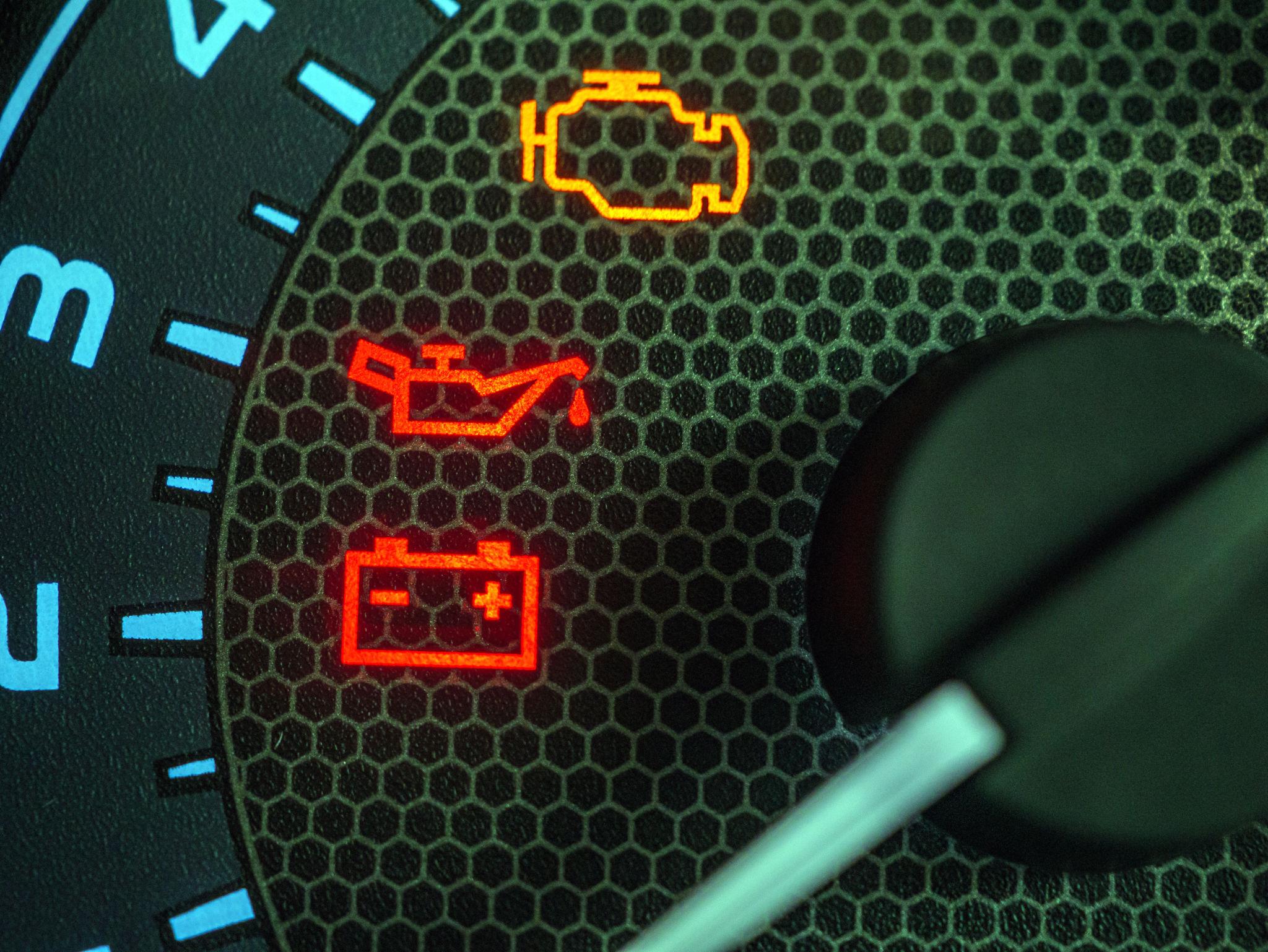
What Your Dashboard Warning Lights Actually Mean — And When to Stop Driving
Few things cause more stress than a dashboard warning light turning on unexpectedly. Some lights mean “schedule service soon.” Others mean “pull over immediately.”
Knowing the difference can protect both your vehicle and your safety.
🔴 Red Warning Lights — Stop Driving
Red lights usually indicate an immediate safety risk.
Examples:
- Oil pressure warning
- Engine overheating
- Brake system warning
- Battery/charging failure
If one of these appears:
- Safely pull over
- Turn off the engine
- Avoid driving further
Driving with a red warning light can turn a manageable repair into a major failure.
🟡 Yellow / Amber Lights — Schedule Service Soon
These often indicate:
- Check engine light
- ABS warning
- Tire pressure monitoring system (TPMS)
You can usually drive short distances, but you should:
- Schedule diagnostic testing
- Avoid long trips until checked
- Watch for performance changes
Ignoring these lights can allow small issues to grow.
⚠️ The Check Engine Light: Steady vs. Flashing
This one confuses many drivers.
Steady check engine light:
- Can be emissions-related
- Typically safe to drive short-term
- Should be diagnosed soon
Flashing check engine light:
- Indicates possible active misfire
- Can damage catalytic converter
- Stop driving and seek service immediately
🧠 Why Guessing Is Risky
Dashboard lights don’t tell you:
- How severe the issue is
- What component failed
- Whether it’s safe to continue driving
Proper diagnostics remove guesswork and prevent unnecessary repairs.
The Bottom Line
Warning lights are designed to protect your vehicle — not scare you.
At Christian Brothers Automotive Longmont, we believe in explaining what the light means, what caused it, and what your options are — before recommending repairs.
Education comes before approval.
[1].jpg "Four Common Services Offered at Auto Repair Centers")
[2].jpg "Make Sure You're Getting Quality Auto Parts")
sunwash-tech-with-customer.png "What is a Car Inspection?")