

What to Expect With Transmission Services
1. Schedule Your Appointment
Whether scheduling online or over the phone be sure and let us know what you're experiencing so we can provide fast and accurate service advice.
2. Diagnostics and Inspections
Drop off your vehicle and the shop will get to work with inspections and diagnostics using the same equipment as the manufacturers to determine issues and next steps.
3. Digital Vehicle Inspection Report and Estimate
Following the diagnosis we will text you a digital vehicle inspection report, containing pictures and videos of our findings and recommendations.
4. Review and Approval
A service advisor will reach out to walk you through the findings and recommendations to determine how you would like to proceed, or you can approve work directly in your DVI.
5. Work Performed or Scheduled
Most work can be completed immediately, or scheduled based on parts and customer availability.
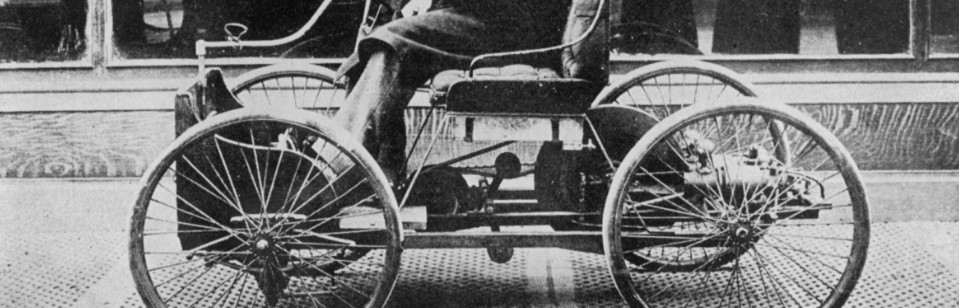
Did You Know: Henry Ford coined the term 'tune-up' while developing his initial automobile prototype.
Signs You Need a Transmission Inspection
Transmission failure rarely happens without warning; your vehicle usually gives subtle cues that something is wrong. Recognizing these symptoms early is key to avoiding a full rebuild or replacement. Addressing minor fluid leaks or sensor issues immediately can save you thousands of dollars and extend the life of your car.
Watch for these common indicators that you need a transmission inspection:
- Delayed Engagement: A noticeable pause when shifting from Park to Drive or Reverse.
- Burning Smell: A tart, acrid odor often indicates overheated fluid or burning clutch material.
- Fluid Leaks: Red or brown puddles forming under your parked vehicle.
- Grinding or Shaking: Unusual sensations or noises during gear shifts indicate mechanical distress.
- Check Engine Light: Modern vehicles monitor transmission performance and trigger alerts for pressure or solenoid faults.
Frequently Asked Questions
How Often Should I Change My Transmission Fluid?
The frequency of fluid service depends on your vehicle manufacturer and driving habits. While many manuals suggest intervals of 60,000 to 100,000 miles, Phoenix driving conditions often require more frequent service, typically every 30,000 to 60,000 miles. Heat degrades fluid quality rapidly, reducing its ability to protect gears.
At Christian Brothers Automotive Happy Valley, we inspect the condition of your fluid during routine maintenance. If the fluid appears dark or smells burnt, we will recommend a service regardless of mileage. Keeping fresh fluid in the system is the most cost-effective way to prevent major transmission repair needs.
What Is the Difference Between a Flush and a Fluid Change?
A transmission fluid change (or drain and fill) simply removes the fluid in the pan and replaces the filter, refreshing about 40-50% of the total fluid volume. A transmission flush uses a machine to push new fluid through the entire system, displacing almost all the old fluid and contaminants from the torque converter and cooler lines.
For many vehicles, a flush is the superior option as it provides a complete reset of the fluid's protective properties. However, for high-mileage vehicles that have not been serviced regularly, a simple drain and fill might be safer to avoid dislodging sludge that could clog valves. Our experts will advise the best method for your car.
Can You Repair a Transmission Without Replacing It?
Yes, many transmission issues can be resolved without a full transmission replacement. Often, problems are caused by failing sensors, solenoids, or a clogged filter—components that can be replaced individually. Even internal leaks or worn bands can sometimes be addressed through a rebuild rather than a replacement.
We prioritize the most economical and effective solution for you. Our advanced diagnostics allow us to pinpoint the root cause, ensuring we only fix what is broken. If a full replacement is necessary due to extensive damage, we source high-quality remanufactured units with strong warranties.
Why Is My Transmission Slipping?
Transmission slipping feels like the engine is revving up but the vehicle isn't accelerating as it should, or the vehicle unexpectedly changes gears. This is often caused by low fluid levels, worn clutch plates, or a failing torque converter. It is a serious safety hazard that requires immediate attention.
Driving with a slipping transmission causes rapid heat buildup and friction, leading to total failure quickly. Check your fluid level immediately if you experience this. If the level is correct, bring your vehicle to our transmission shop right away for a diagnostic check to prevent catastrophic damage.
Do Manual Transmissions Need Service?
Absolutely. While they don't have the complex hydraulics of an automatic, manual transmissions still rely on gear oil for lubrication and heat dissipation. Over time, this oil becomes contaminated with metal shavings from gear synchronizers.
We recommend changing manual transmission fluid at manufacturer-specified intervals to ensure smooth shifting and preserve the life of the gears. Clutch maintenance is also vital; if your clutch is worn, it can cause difficulty shifting and eventual damage to the flywheel and pressure plate.
Contact us online or call us at (623) 887-8862 to schedule your expert transmission service in Phoenix, AZ.
Your Local Christian Brothers Amenities
FAQs
-
Q. "What factors determine the price of transmission repair?"Many different factors go into determining costs of transmission repair. The major factor is what type of vehicle you drive. The year, make and model of the car, determine how much parts and labor will cost. Another factor is how much damage the transmission has sustained. Your transmission should last a minimum of 100,000 miles by servicing your transmission on a regular basis.
-
Q. "What does automatic transmission service include?"Fluid is first drained from the pan during an automatic transmission service. A new transmission filter is installed with a new pan gasket once the pan has been removed. Finally, fresh automatic transmission fluid (ATF) is used to refill the vehicle.
-
Q. "Is there a difference between a transmission fluid change and flush?"During a transmission fluid and filter change, it’s only the fluid in the pan that is drained and replaced with new ATF. Four to five quarts of fluid will typically be replaced in this process, while nine to thirteen quarts are replaced during a full transmission fluid flush. The difference in amounts is because the complete flush drains the entire system.
-
Q. "Do you offer a shuttle service?"Yes! we understand you have a full schedule. Whether you need to get to work, school, or need to attend to other responsibilities, we can take you where you need to go. Click here to learn more.
-
Q. "Do you offer a warranty?"As part of our Nice difference.® commitment to providing our customers the best auto service experience possible, we also offer a3-year/36,000-mile warranty on all the work that we do. We offer this warranty at every Christian Brothers Automotive nationwide, and it will be honored at any location, regardless of which branch did the initial work.
-
Q. "Can you provide service under my extended warranty?"Yes. At Christian Brothers Automotive, we work with all major extended warranty providers to make needed repairs for our customers. If you have an extended warranty, you can discuss your carrier with our team when scheduling an appointment and confirm that the work will be covered. You can find a partial list of the extended warranty companies we work with here.
Have more Questions?
Our friendly auto service experts have the answers.
Call your local Christian Brothers Automotive car shop today
Hear What Our Customers Had to Say About Us
-
"They DEFINITELY go above and beyond any other auto mechanic service."
- Brooke