My Check Engine Light Is On. Isn't the Code Enough?
It feels like an answer. Most of the time, it's only the first clue.
What a Check Engine Code Actually Tells You
Your car's computer watches dozens of sensors. When a reading falls outside the range it expects, it turns on the light and stores a code. That code tells you which system noticed a problem. It doesn't tell you which part failed or why.
Think of it like a smoke detector. It tells you there's smoke in the kitchen. It doesn't tell you whether it's burnt toast or a wiring problem in the wall.
One Code, Many Possible Causes
Here are a few common examples of why the code alone isn't enough.
A misfire code can come from a worn spark plug, a failing ignition coil, a clogged fuel injector, a vacuum leak, or low compression inside the engine.
A "lean" code can point to a cracked intake hose, a dirty mass airflow sensor, or a weak fuel pump.
A catalytic converter efficiency code can mean the converter is worn out, or it can mean an oxygen sensor or an exhaust leak is giving the computer bad information.
Each of those is a different repair, with a very different price. Replace the wrong one and the light comes right back on.
Why Guessing Gets Expensive
Parts-swapping is the most expensive way to fix a car. You buy the part the code seems to point to. The light comes back. You buy the next one. Three parts later, you've spent more than a proper diagnosis would have cost, and the real problem is still there.
Testing first means you pay for the repair your car actually needs, one time.
How We Find the Real Cause
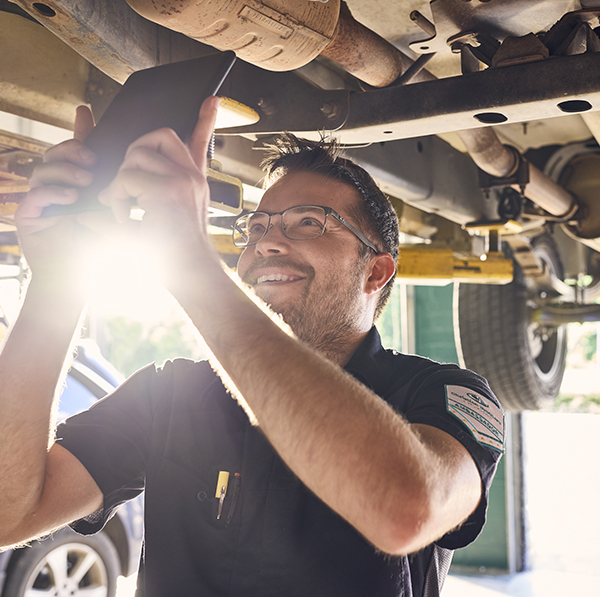
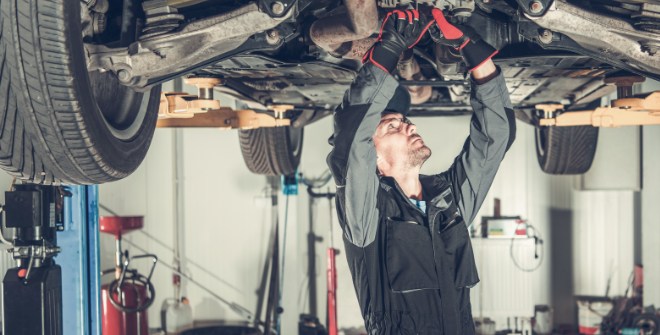
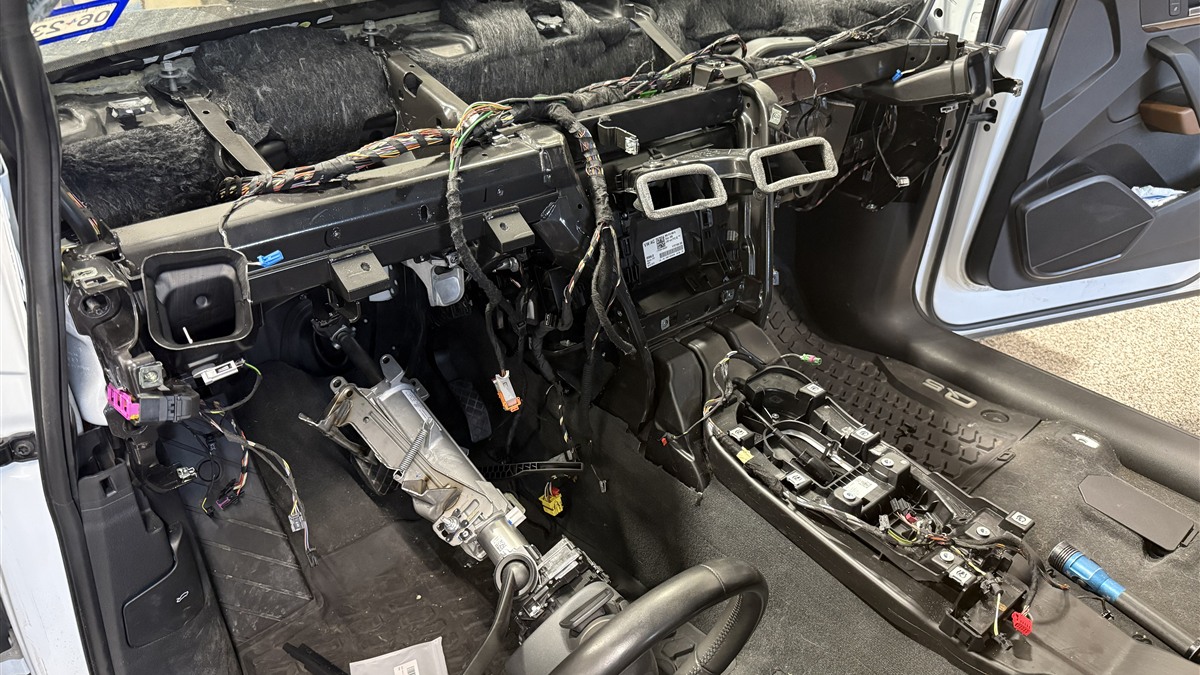
Our techs start with the code, then they test. That can mean checking live sensor data, testing ignition and fuel components, smoke-testing for vacuum leaks, or, on the tough ones, taking things apart to see what's really going on.
Some of those tough ones end up with Tyler. He's been working on cars for more than 15 years, and in 2021 he earned ASE World Class Technician status, which only about 2,300 technicians have ever earned. His favorite jobs are the ones other people give up on: the intermittent problem, the light that keeps coming back.
Once we know the cause, we take photos. Through our Digital Vehicle Inspection (DVI), the photos and notes are texted straight to your phone, with what's urgent separated from what can wait. Nothing gets replaced until you say so.
Steady Light or Flashing Light?
A steady check engine light means something needs attention soon. It's usually safe to drive to the shop, but don't ignore it for weeks.
A flashing light is more serious. It usually means a severe misfire, and unburned fuel can overheat and damage the catalytic converter. If yours is flashing, ease off, avoid hard acceleration, and get it looked at as soon as you can.
The "Longmont Factor"
Front Range weather swings are hard on the parts that trigger a check engine light. A 40-degree drop overnight can expose a cracked vacuum hose or a weak sensor connection that worked fine all summer. Short winter trips around town, with a commute to Boulder or down I-25 mixed in, also give moisture and carbon more chances to build up. A light that shows up with the first cold snap isn't unusual, and it's worth finding out why.
Diagnose First. Then Decide.
You shouldn't have to guess about your car, and you shouldn't have to take our word for it either. We find the real cause, show you the photos, and you make the call. For bigger repairs, payment options are available. Just ask.
The Nice Difference Experience
- Transparent Results: Photos and findings texted to your phone through our DVI, with what's urgent separated from what can wait.
- Experienced Techs: Our ASE-certified techs Tyler, Joe, and Alex, including an ASE World Class Technician (Tyler).
- Zero Disruption: Ride home or to work on our Local Courtesy Shuttle, or relax in our lobby with a cup of tea or coffee.
- Nationwide Peace of Mind: Qualifying repairs are backed by our industry-leading 3-year/36,000-mile nationwide warranty (whichever comes last).
A code is a clue. Let's find the cause. Call Josh, Lindsy, and the team today at 720-605-0932, or book online at scheduler.cbac.com/longmont!
[1].jpg "Four Common Services Offered at Auto Repair Centers")
[2].jpg "Make Sure You're Getting Quality Auto Parts")