How Long Can You Drive on Worn Brake Pads? — What Longmont Drivers Should Know
It’s a question our front desk team—Bryan, Josh, Mark, and Bob—hears every week after an inspection:
👉 “I know my brakes are getting thin, but how much longer can I actually drive on them?”
It is a completely natural question when you are balancing family budgets and busy schedules. The short answer? It depends on your remaining friction material, your daily driving routes, and the health of your rotors and calipers.
The critical thing to realize is that brake pads are built to consume themselves to protect your safety. Replacing them at the right time is the difference between a simple, affordable pad and rotor swap or a complete overhaul.
At Christian Brothers Automotive Longmont, local owners Josh and Lindsy Jeanneret believe in giving you plain-spoken facts so you can make informed decisions for your family—not high-pressure pitches. Here is what our ASE-certified technicians—Tyler, Joe, and Alex—want you to know about brake wear.
1. Brake Pads Are Designed to Burn Off
Brake pads are consumable components, plain and simple. Every time you slow down for a red light on Main St or tap the pedal during stop-and-go idling on Ken Pratt Blvd, friction wears away a tiny layer of pad material.
That is totally normal. The goal of proper auto care isn't to prevent wear entirely—it's to replace those pads and rotors right before the friction material completely vanishes.
2. The Danger Zone: Driving on Metal-to-Metal
When your brake pads drop below 3 millimeters of thickness, your stopping distance stretches out, and heat builds up rapidly. Push them past 1 millimeter, and the steel backing plate begins grinding directly against your steel brake rotor.
Once metal meets metal, you aren't just wearing down a cheap consumable pad anymore. You are gouging deep grooves into your rotors, overheating your brake fluid, and potentially damaging expensive caliper pistons. What should have been a routine pad and rotor replacement suddenly turns into a major system overhaul.
3. Early Warning Signs vs. Emergency Signals
Your vehicle gives distinct signals when its stopping power is dropping:
High-Pitched Squeal: A small metal wear indicator tab rubbing the rotor—this is your polite early warning.
Deep Metallic Grinding: Metal-on-metal contact—your rotors are actively being ruined.
Pedal Pulsation or Vibration: Warped rotors caused by excessive heat buildup.
Squishy Brake Pedal: Brake fluid is overheating or moisture in the system has lowered its boiling point.
4. The "Front Range Factor" on Brakes
Brakes work vastly harder along the Front Range than in flatter parts of the country. Between heavy traffic crawls along Hover St, the daily highway commute to Boulder, and steep downhill grades coming back down from weekend trips to Estes Park, your braking system handles extreme thermal stress. Downhill mountain driving bakes your brake components, accelerating wear significantly.
5. You Can't Measure Pads from the Driver's Seat
You can't accurately judge how many millimeters of friction material remain just by how the pedal feels under your foot. That’s why physical measurements in our clean bays matter.
See the "Raw Proof" on Your Smartphone
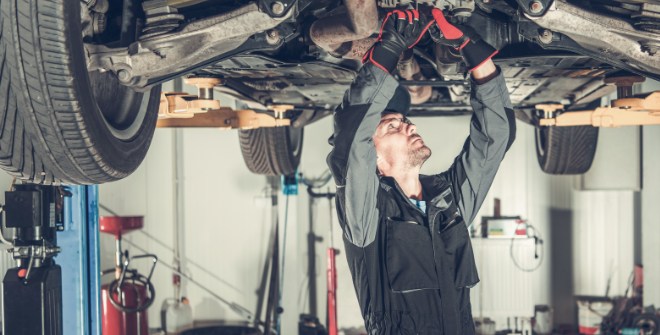
At our shop at 110 East Ken Pratt Blvd, we take the guessing game out of brake service. During every visit, Tyler, Joe, or Alex puts your gas, diesel, hybrid, or EV on the lift to perform a comprehensive Digital Vehicle Inspection (DVI).
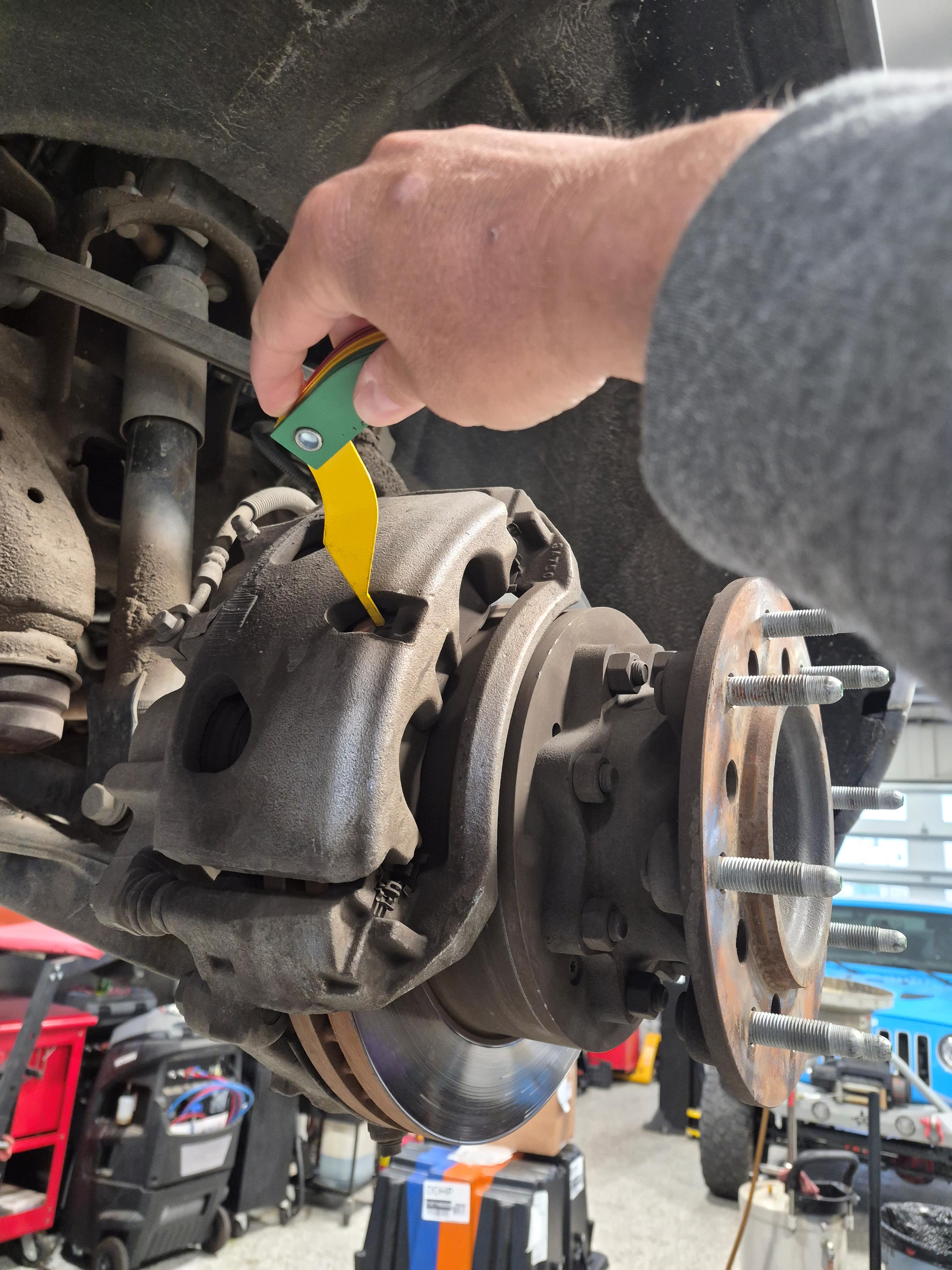
We use gauges to measure your exact brake pad thickness in millimeters, inspect your rotor surface, and check your brake fluid condition. We take clear, raw photos of your actual brake parts and text the full report straight to your phone. You see the exact physical evidence before approving a single repair.
The Nice Difference® Experience:
Zero Disruption: Drop your car off with us and take our Local Courtesy Shuttle back home or to work so your day never misses a beat.
Unbeatable Protection: When you replace your brakes with us, we back our qualifying parts and labor with an industry-leading 3-year/36,000-mile nationwide warranty (whichever comes last).
Hearing a squeak or wondering how much life is left in your brakes? Don't wait for a costly metal-on-metal grind. Call Josh, Lindsy, and the team today at 720-605-0932 to book a transparent brake inspection!
[1].jpg "Four Common Services Offered at Auto Repair Centers")
[2].jpg "Make Sure You're Getting Quality Auto Parts")
sunwash-tech-with-customer.png "What is a Car Inspection?")