What to Do If Your Engine Starts Overheating — The Longmont Driver’s Guide
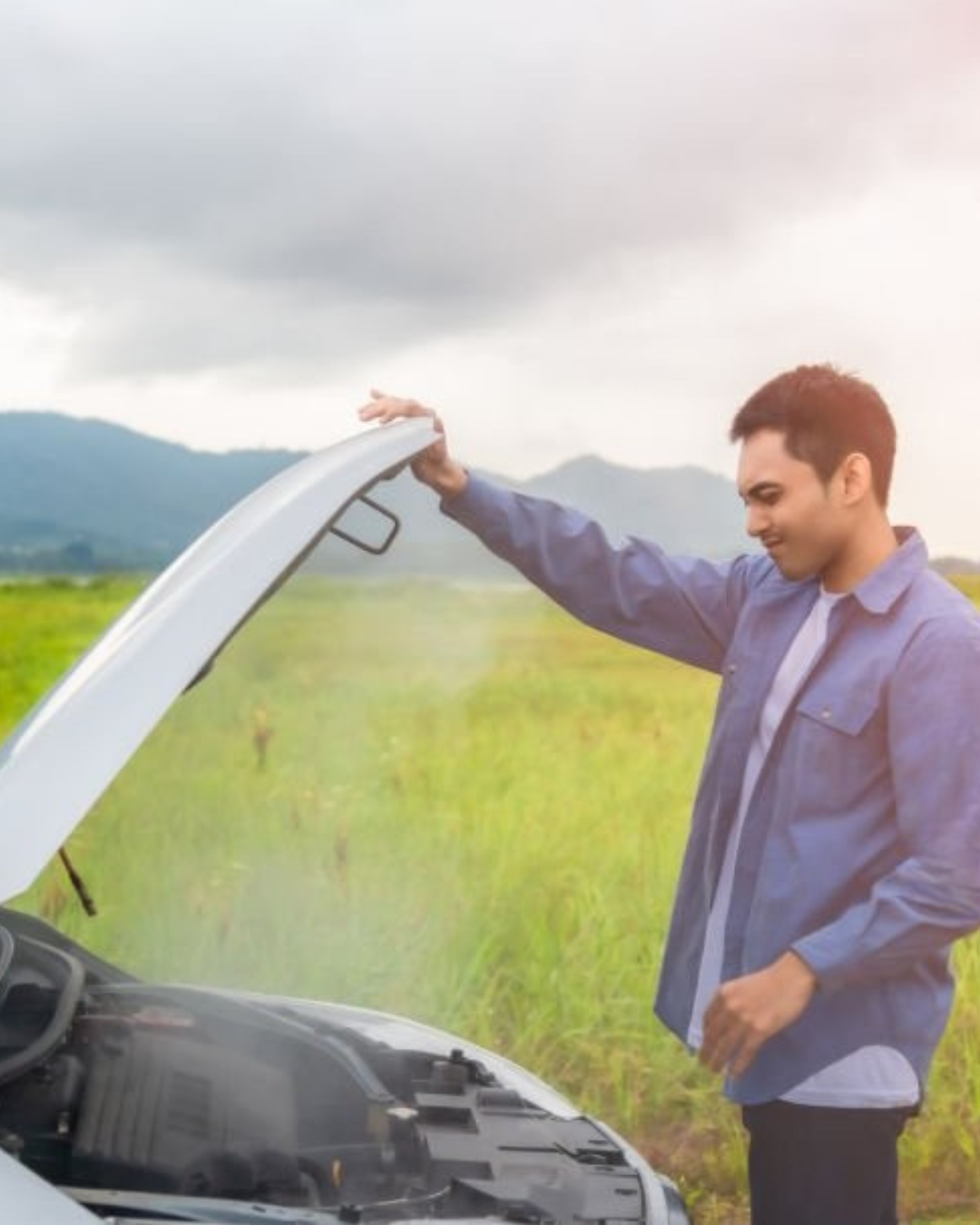
Seeing your temperature gauge climb or steam billowing from under the hood is enough to ruin any commute. Whether you're navigating the morning rush on Main St or heading out for a weekend in Estes Park, overheating is a signal your car is under serious stress.
Around Longmont and across the Front Range, our ASE-certified techs—Tyler, Joe and Alex—usually see these issues pop up during specific local scenarios:
- The Afternoon "Crawl": Heavy stop-and-go traffic on Ken Pratt Blvd.
- The Mountain Climb: High-altitude engine strain while heading west toward the foothills.
- The Summer Surge: Triple-digit heat combined with idling at long lights on Hover St.
1. What Overheating Actually Means (In Plain English)
Your engine is essentially a giant heat pump. It relies on a pressurized cooling system to keep things steady. When it overheats, it means the heat is building faster than your radiator can shed it. In our thin Colorado air, your cooling system has to work significantly harder than it would at sea level.
2. Why It Happens More Often on the Front Range
Local driving conditions are the "perfect storm" for cooling system failure:
- Stop-and-Go Patterns: Frequent idling on Main St means there is no "ram air" hitting your radiator; you are 100% dependent on your cooling fan.
- Elevation Changes: Climbing toward the mountains puts a massive load on the engine, spiking temperatures quickly.
- Rapid Temp Swings: Longmont’s weather can go from 40°F to 80°F in a single afternoon, causing rubber hoses to expand and contract until they eventually crack.
3. Common Culprits Our Techs Find
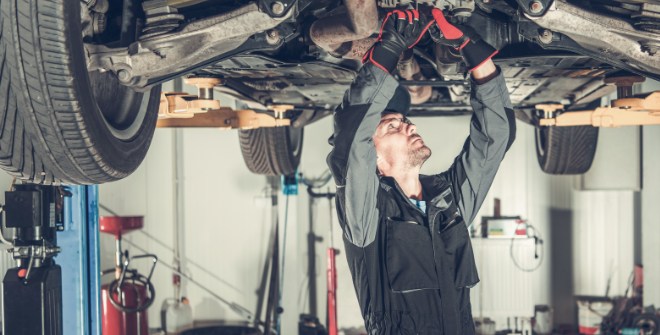
When our techs get a vehicle on the lift, they usually find one of these details:
- Low or Acidic Coolant: Small leaks often go unnoticed until the first hot day.
- Radiator Fan Failure: If you only overheat at red lights but feel fine at highway speeds, your fan likely quit.
- Thermostat "Sticking": Like a gate that won't open, a bad thermostat prevents coolant from reaching the radiator.
4. What To Do Immediately
If that light on the dash flickers on:
- Pull over safely: Don't try to "make it" to the Hover St Target parking lot.
- Turn off the engine: Every second it runs hot increases the risk of a warped cylinder head.
- Do NOT open the radiator cap: The system is under extreme pressure and can cause severe burns.
- Call for a tow: It’s cheaper than a new engine.
5. Why the Diagnosis Matters
Adding coolant without identifying the cause can lead to:
- Repeat overheating
- Ongoing leaks
- Larger repair costs
At Christian Brothers Automotive Longmont, we don’t just "top off the fluid" and send you on your way. We use Digital Vehicle Inspections (DVI). We’ll send photos of your crusty hoses or leaking water pump directly to your phone so you see exactly what we see.
The Bottom Line: Peace of Mind for Your Commute
We know a breakdown disrupts your life. That’s why we offer a local courtesy shuttle to get you back home or to work while we handle the dirty work. Plus, any cooling system repair we perform is backed by our 3-year/36,000-mile, whichever comes last, nationwide warranty.
Is your temperature gauge acting moody? Give Bryan, Josh, Mark or Bob a call at 720-605-0932. Let’s make sure your car is ready for those summer trips up the mountain.
[1].jpg "Four Common Services Offered at Auto Repair Centers")
[2].jpg "Make Sure You're Getting Quality Auto Parts")
sunwash-tech-with-customer.png "What is a Car Inspection?")